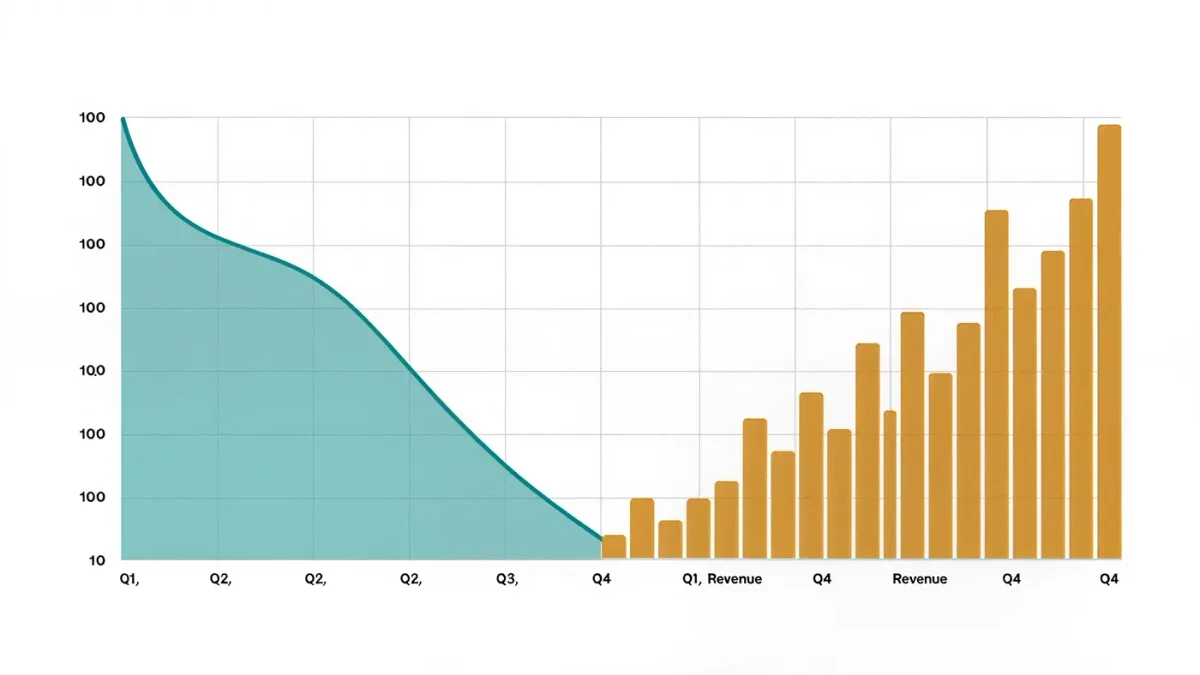
The Association of American Publishers' first-quarter 2026 StatShot, released May 18, reports download audio revenue up 15.9 percent against the first quarter of 2025, while ebooks fell 5 percent to $261 million and the industry overall grew 0.9 percent — with professional and scholarly publishing, up 5.7 percent, the other standout. The April StatShot, published on the association's regular cadence, extends the pattern: digital audio up 11.9 percent for the month at $97.5 million, physical audio down 12.3 percent, and the overall industry up 4.4 percent for April and 1.7 percent year-to-date.
The shape of the story has been stable for years now, per the StatShot series' own long run: digital audio is the industry's only consistent double-digit growth format, ebooks have settled into gentle decline, and print — half of industry revenue — wobbles around flat. What changes each quarter is the composition of who benefits, and that is where the writers' money questions live.
For authors, the audio boom runs through the rights sheet documented in contract guidance: audio licensed by the publisher pays the author a contract-defined share of receipts, audio retained and licensed directly pays the gross minus agency commission, and backlist contracts signed before the boom — with audio granted cheaply — have become some of the trade's most rued paperwork, which is why reversion clauses and audio carve-outs now get negotiated hard on new deals. The format's growth also feeds the narrator economy and, contentiously, the AI-narration disputes that authors' organizations have litigated and lobbied through 2025 — the terms of machine-read audio remaining the live question in the next round of standard contracts.
The quarter's quiet number worth watching: professional and scholarly publishing's 5.7 percent gain, a reminder that the trade's headline drama sits atop a steadier institutional business. But the format story is the one on authors' desks — every quarter of double-digit audio growth reprices the audio clause in every contract being signed this season. Daily Pencil publishes information, not market advice; the StatShot series is public at the source.