Development
Drake Giving Up 'Solar Eclipse' Publishing: Big Gesture, One Source
The claim that Drake forfeited publishing on his Ella Langley remix rests on a single friendly voice. Here is what holds up, and what does not.
The manuscript stage before submission: outlining approaches, structural passes, beta reader systems, developmental editors and what they charge, subplot removal and the tests for calling a draft finished. Practical and specific. Written for authors deciding what a book still needs before an agent sees it.
The manuscript stage before submission: outlining approaches, structural passes, beta reader systems, developmental editors and what they charge, subplot removal and the tests for calling a draft finished. Practical and specific. Written for authors deciding what a book still needs before an agent sees it.
The claim that Drake forfeited publishing on his Ella Langley remix rests on a single friendly voice. Here is what holds up, and what does not.
A fan historian's snapshot of a franchise at a crossroads doubles as a field guide to writing in someone else's universe.
A beta reader round can fix plot, pacing, and consistency, or it can derail your book. Here is how to pick readers, ask sharp questions, and triage notes.

Working novelists split into planners and discoverers, and both finish books — the split decides where the labor goes, not whether the book gets written.
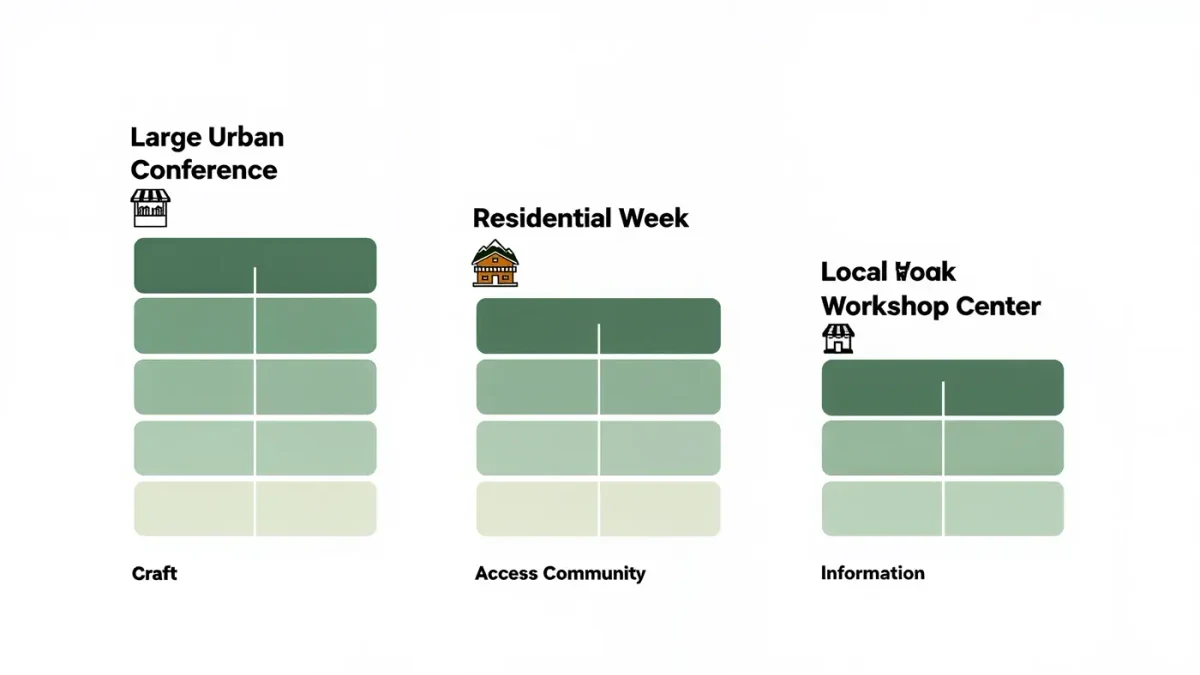
AWP's bookfair, Bread Loaf's mountain, and the pitch-session economy — what the ticket actually buys, and for whom.

The exercise canon runs from John Gardner's drills to Oulipo's constraints — the honest answer is yes for three specific jobs, and no as a substitute for the manuscript.
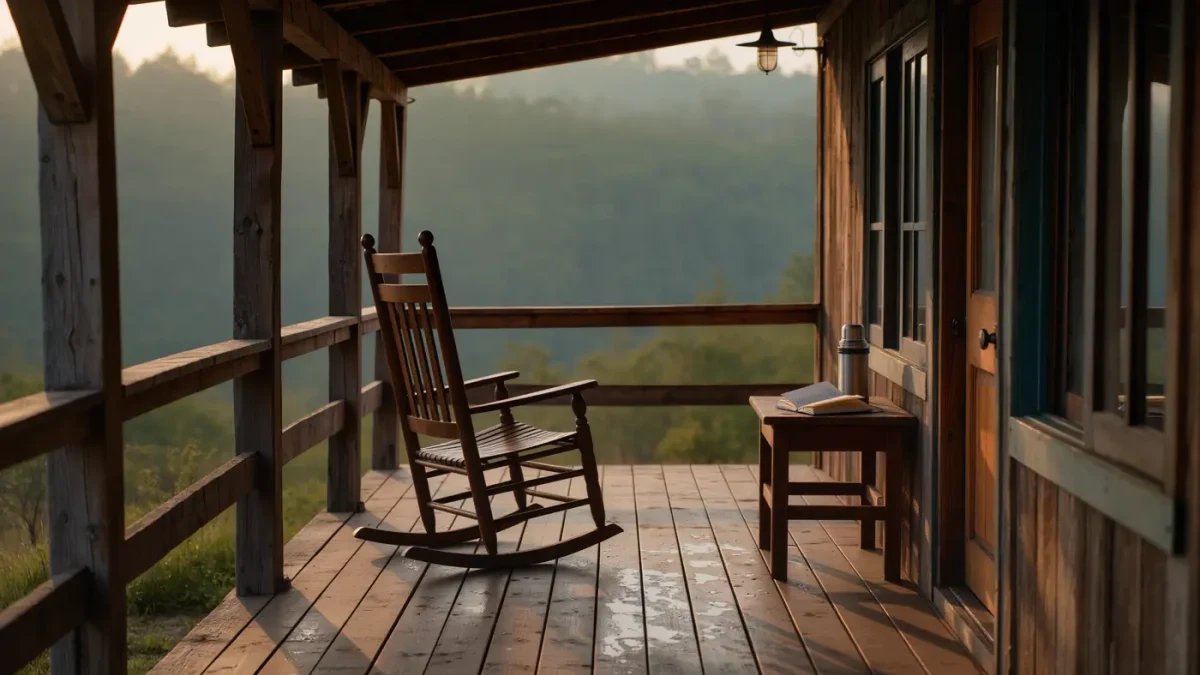
MacDowell and Yaddo charge nothing and accept almost nobody; commercial retreats charge plenty — the honest economics of buying time away from your life.
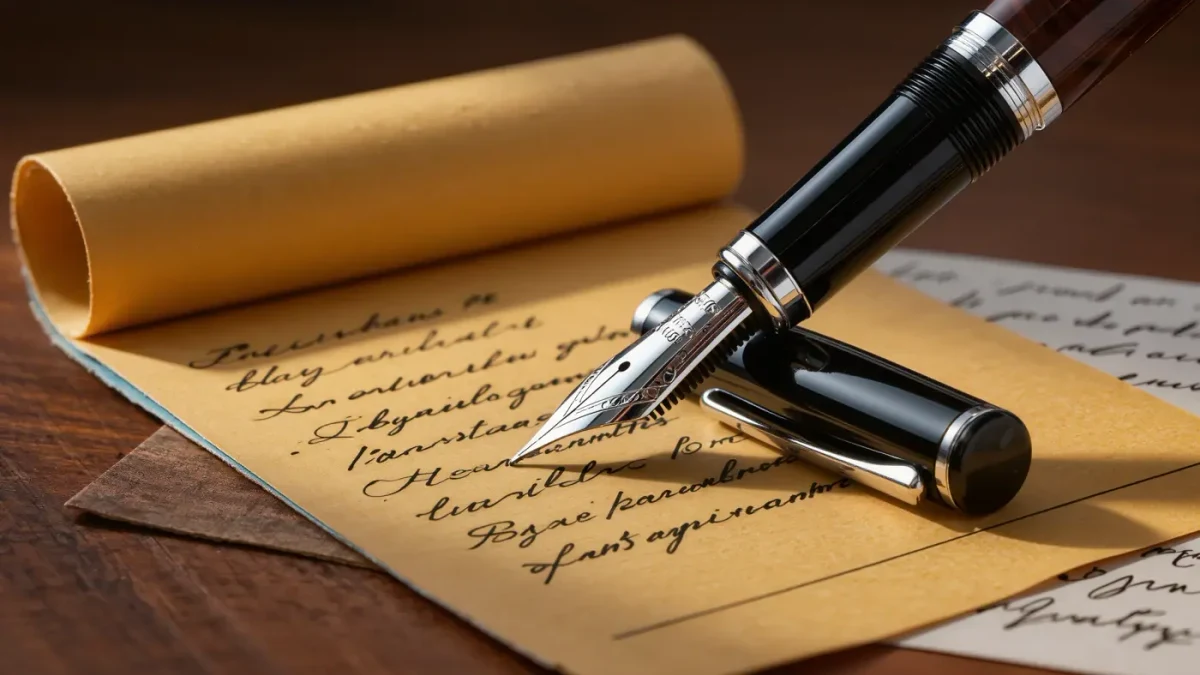
Robert Caro writes every book in longhand and types it three times; research on note-taking found handwriting's slowness is the feature — the honest comparison for drafters.
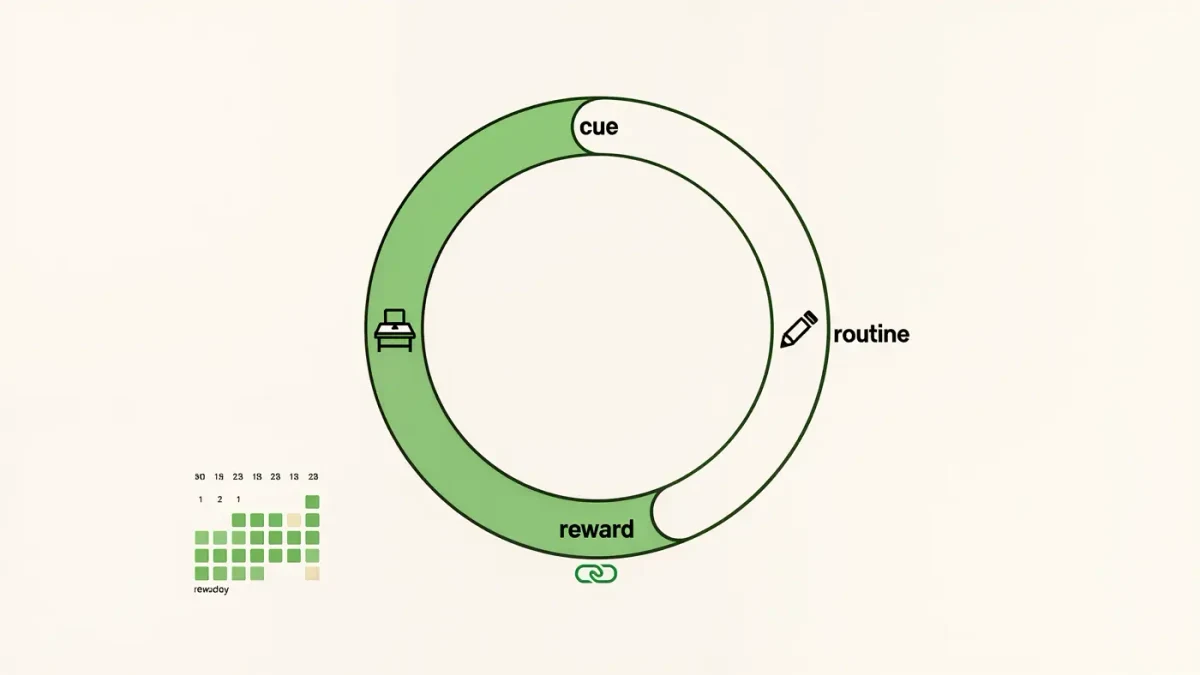
A 2006 meta-analysis of 94 studies found that simply planning when and where you will act markedly improves follow-through — the science translates to the desk with unusual directness.

Scrivener still sells a one-time license while Ulysses and the note-app stack run on subscriptions — the tool question is really a workflow question.