What Happens in a Writing Center
A campus writing center pairs a writer with a trained peer tutor for a free conversation about a draft, and the tutor never proofreads or grades the work.
A campus writing center pairs a writer with a trained peer tutor for a free conversation about a draft, and the tutor never proofreads or grades the work.

Five beats — anchor, spark, pressure, choice, proof — map a character's change onto Freytag's 1863 structure so readers can feel the transformation.
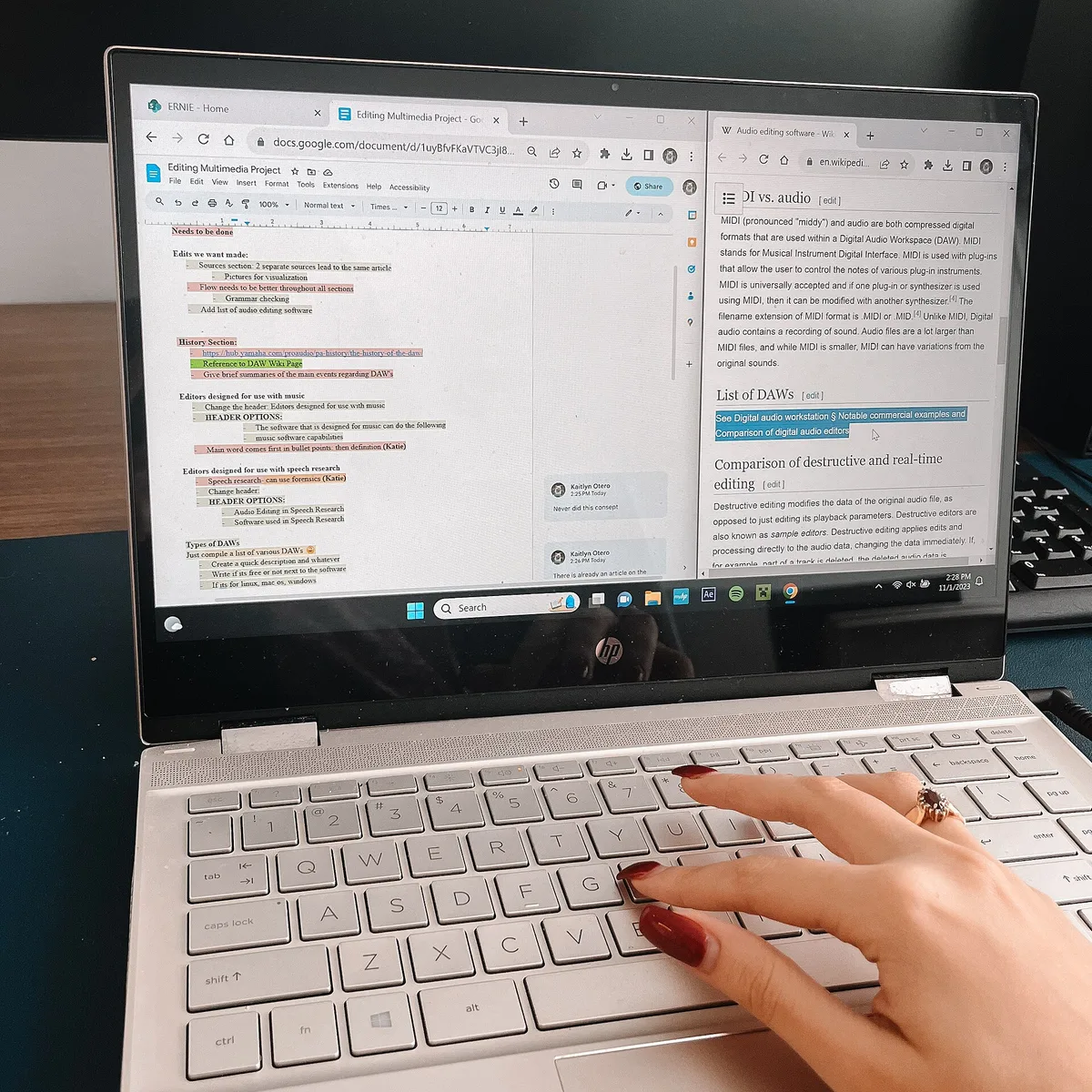
Developmental editing means significant restructuring of a manuscript before sentences get polished, and EFA fiction medians run 3.0 to 3.5 cents a word.
A book clears five gates in traditional publishing: agenting, acquisition, revision, production, and launch, each a separate decision with its own timetable and its own veto.
Every line of a paper check explained for people who have only ever paid by app.

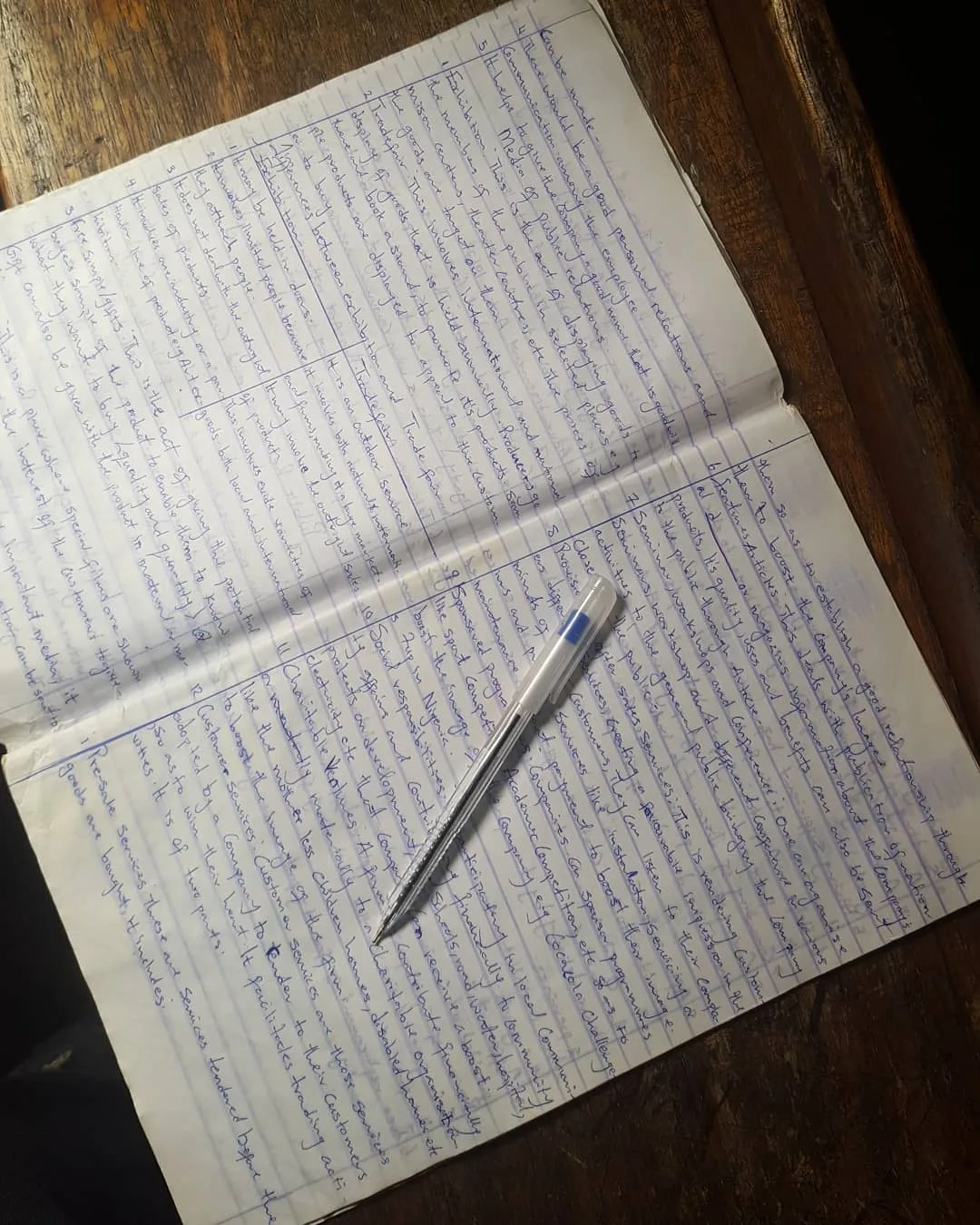
Handwriting slows the first pass down — and for many writers, that slowness is the whole point.

Momentum, not talent, decides whether a first draft survives. Here is a month-by-month way to protect it.

Documented draft counts among working writers cluster lower than the anxiety suggests — and knowing when to stop is a craft skill, not a number.
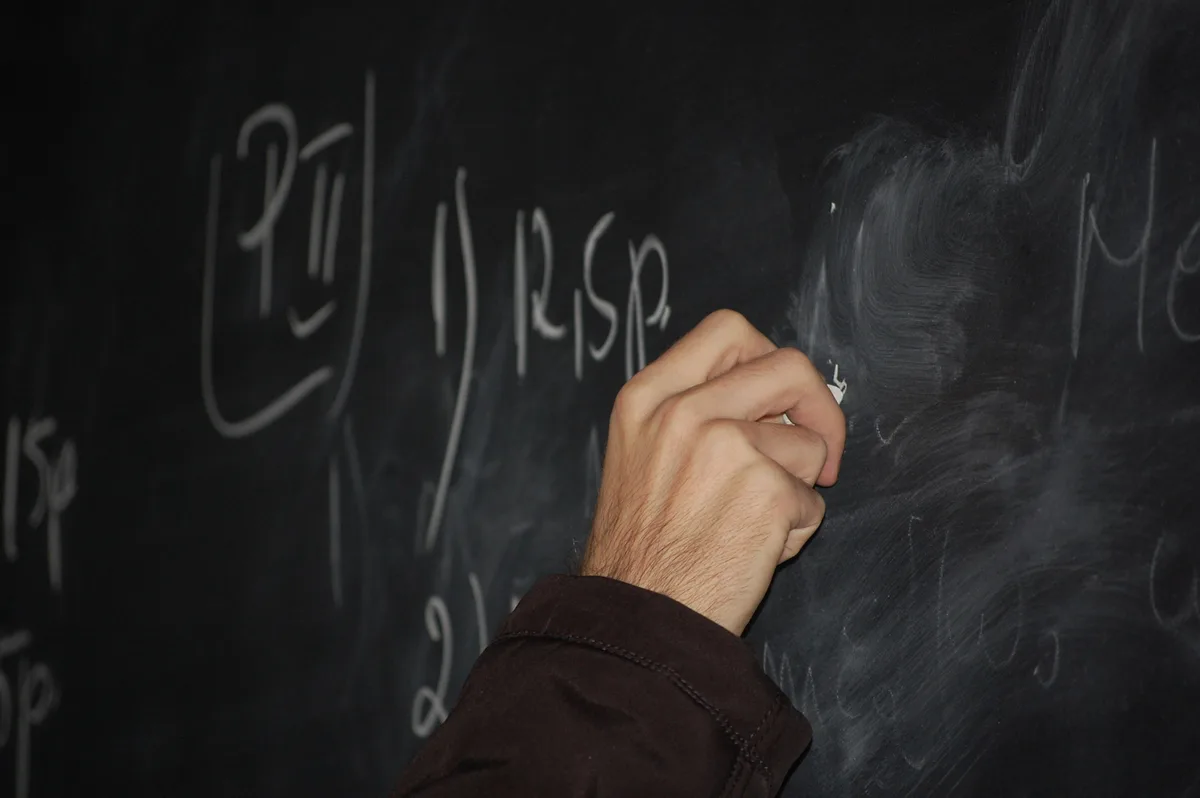
You do not need an MFA to teach creative writing. Learn what a class is really for, which craft tools to teach, and how to run a workshop that works.
A Carmel executive coach publishes a self-help book with a soundtrack attached. The idea is interesting; the evidence behind it deserves a closer look.

Readalikes matched by twist density, breakneck pacing, and narrators you cannot quite trust.
The iceberg method: what you leave out of the page does more work than what you put in.
How a sequence of pictures earns the front of a book, and what the process asks of the people who make it.
A fan historian's snapshot of a franchise at a crossroads doubles as a field guide to writing in someone else's universe.
A beta reader round can fix plot, pacing, and consistency, or it can derail your book. Here is how to pick readers, ask sharp questions, and triage notes.

The claim that Drake forfeited publishing on his Ella Langley remix rests on a single friendly voice. Here is what holds up, and what does not.

Working novelists split into planners and discoverers, and both finish books — the split decides where the labor goes, not whether the book gets written.
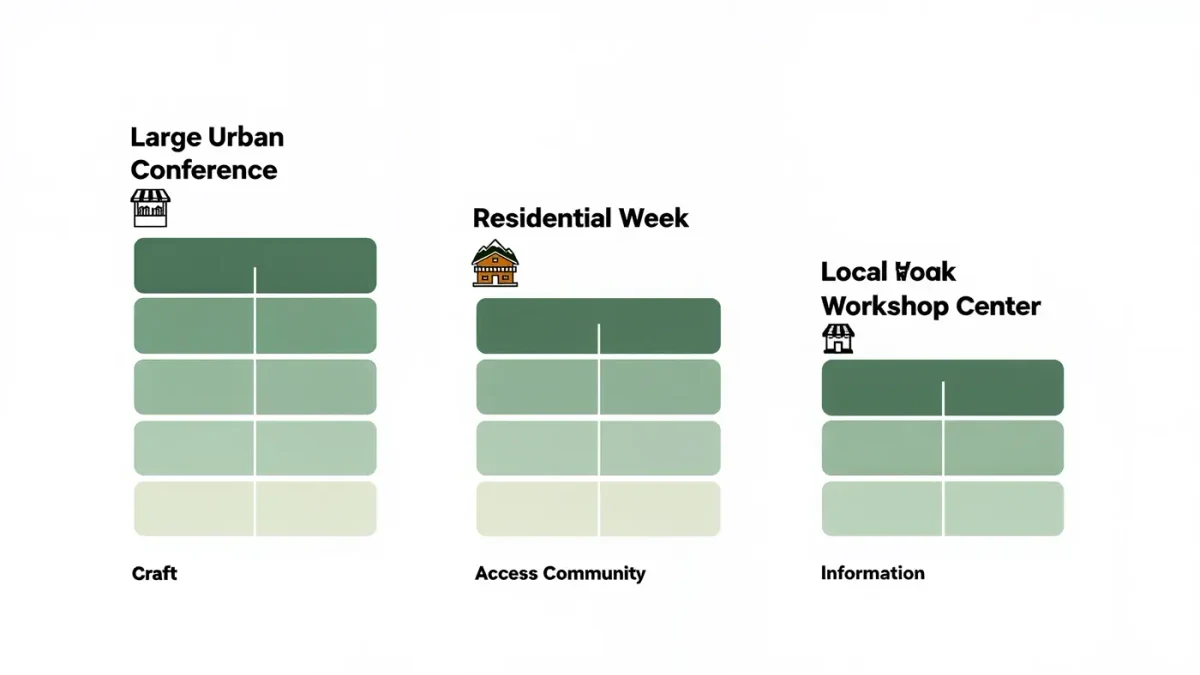
AWP's bookfair, Bread Loaf's mountain, and the pitch-session economy — what the ticket actually buys, and for whom.

The exercise canon runs from John Gardner's drills to Oulipo's constraints — the honest answer is yes for three specific jobs, and no as a substitute for the manuscript.

A worldwide deal with Believe covers four decades of songs — and an orchestral catalogue most rock signings don't carry.

Pen America's annual count documented over ten thousand school book bans in the 2023-2024 year, reshaping how publishers and authors handle challenges.
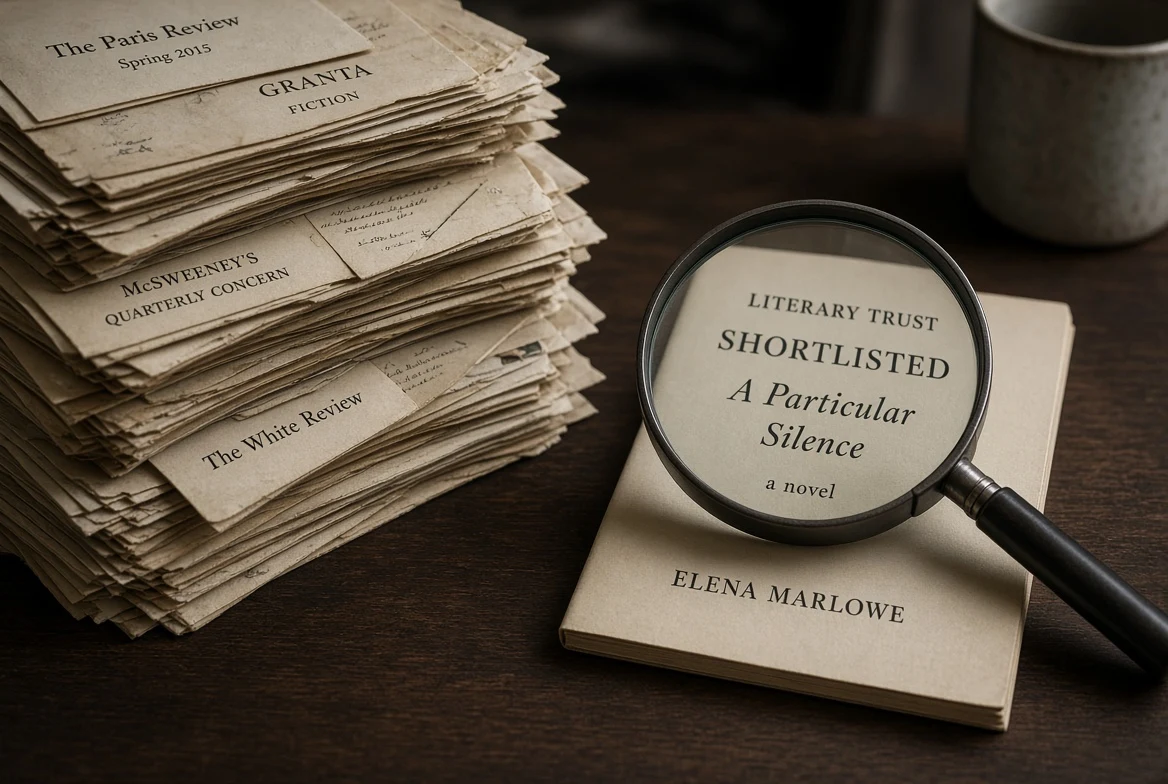
Only publishers can enter a book, and last year's fiction longlist alone was picked from 434 submissions.

Estimates, reserves, and guarantees: the quiet machinery behind every headline sale number.

Permission, not paint quality or fame, is what separates a mural from a crime — and cities have learned to make room for both.
The standard split is public knowledge. What happens to the money, and who keeps a claim on it after a writer leaves, is the part worth reading closely.
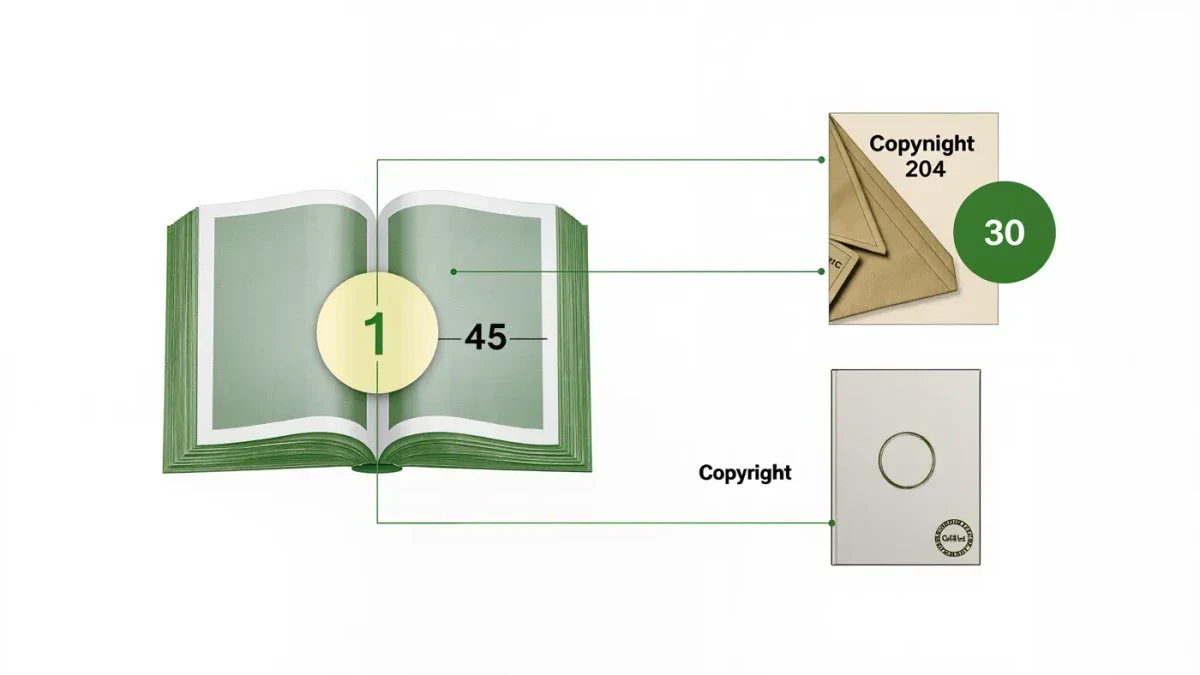
The number line with a 1, the price on the jacket, the blind stamp on the back board — the beginner's toolkit for the book collector's game, minus its expensive mistakes.