
Authors
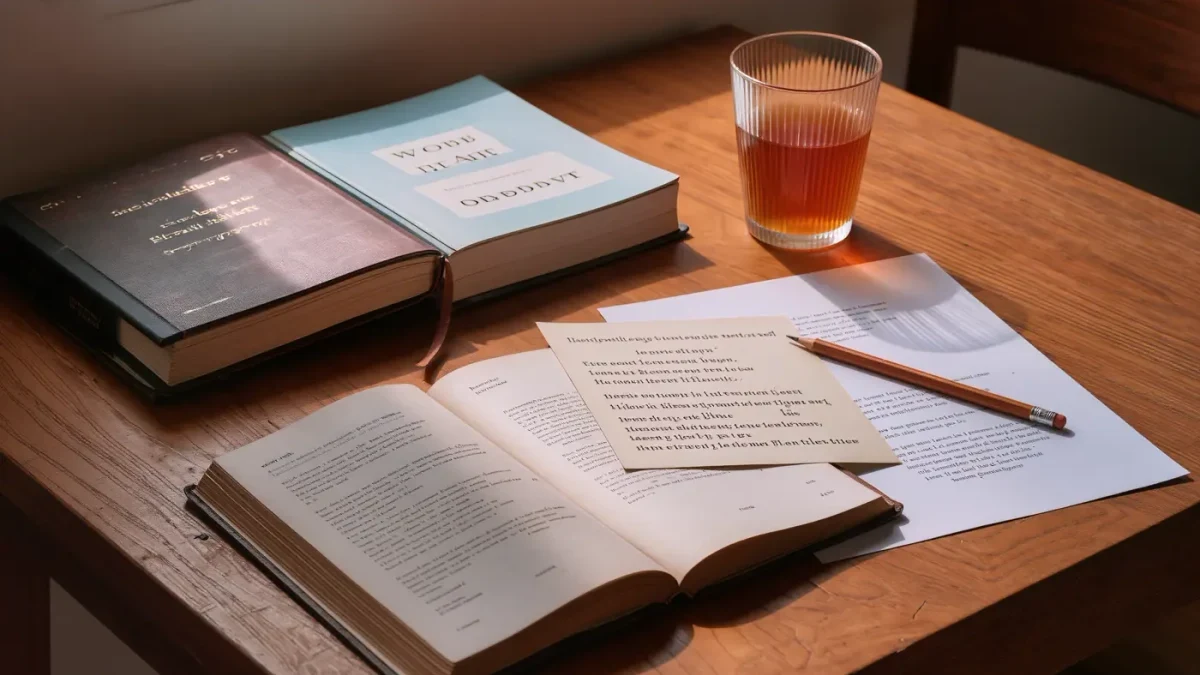
Teaching Creative Writing Without an MFA
You do not need an MFA to teach creative writing. Learn what a class is really for, which craft tools to teach, and how to run a workshop that works.
Coverage of authorship as work: debut experiences, the difficult second book, income across advances, royalties, translation and speaking, and the arithmetic of writing full time. Figures are reported rather than estimated. Useful for writers planning a decade rather than a single manuscript.
You do not need an MFA to teach creative writing. Learn what a class is really for, which craft tools to teach, and how to run a workshop that works.

A Carmel executive coach publishes a self-help book with a soundtrack attached. The idea is interesting; the evidence behind it deserves a closer look.

Readalikes matched by twist density, breakneck pacing, and narrators you cannot quite trust.
The iceberg method: what you leave out of the page does more work than what you put in.
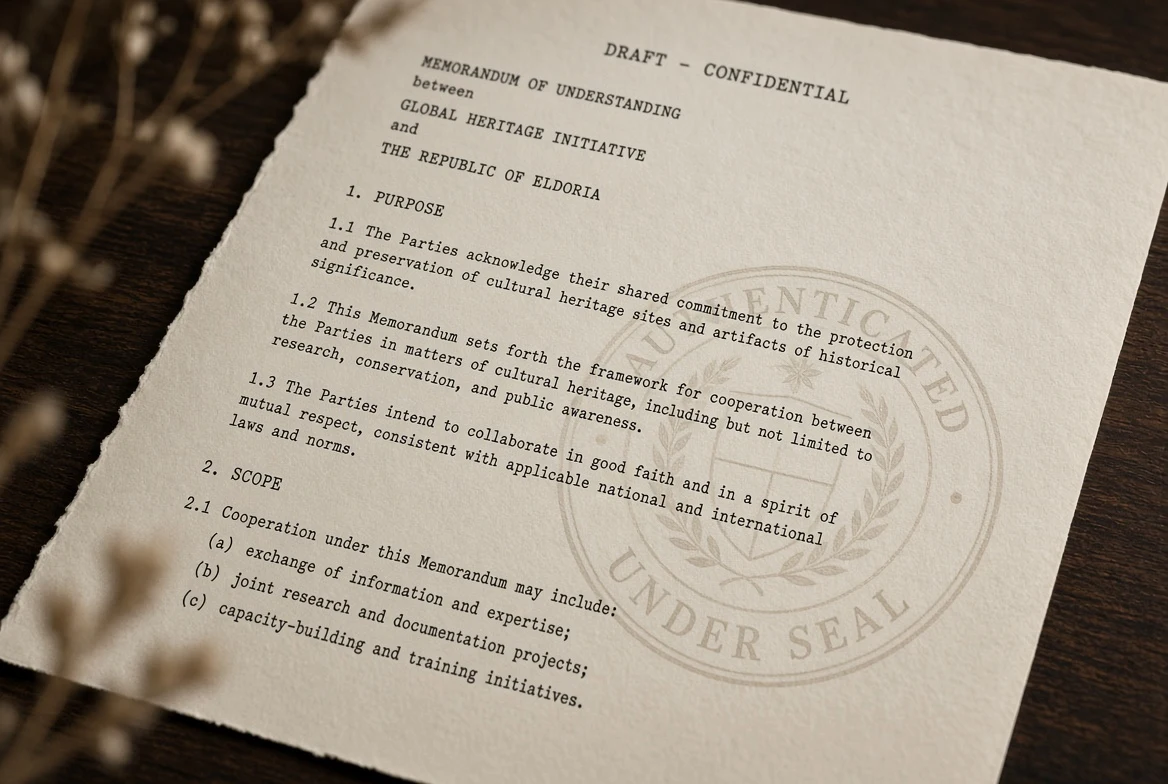
A finished draft is already protected under U.S. law — the harder question is when registering it actually matters.
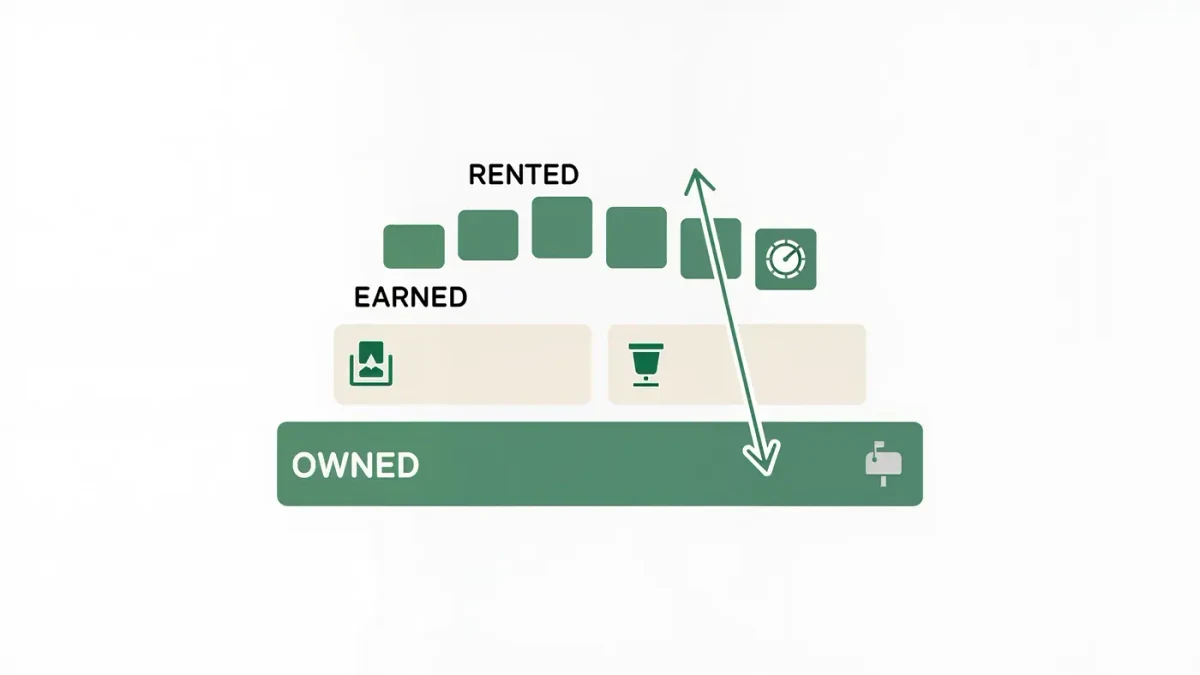
The working definition agents use is quiet: the number of people who will notice when your book appears — a platform is readership you can reach, not noise you can make.

Raymond Chandler was 51, Norman Maclean 74, Harriet Doerr 73, Frank McCourt 66 — the late-debut tradition is long enough to have lessons.
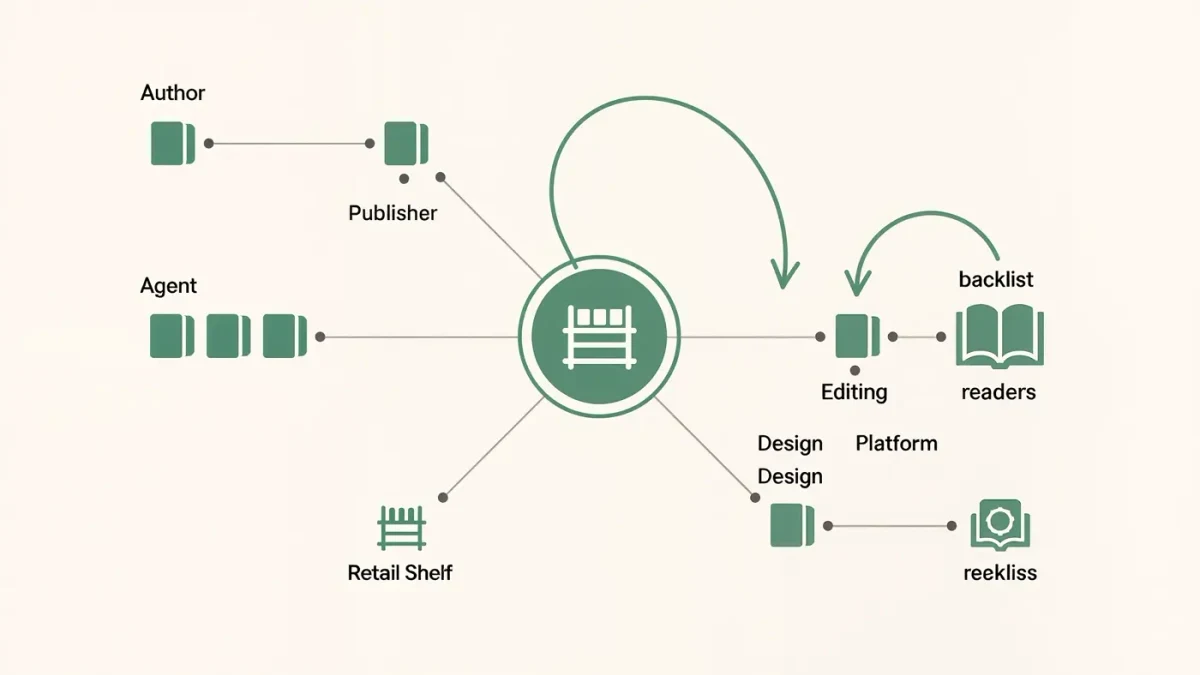
A foreign publisher's offer usually arrives through a chain the author never sees — co-agents, scouts, sample translators, and fair catalogs — and understanding it changes what a writer can do.

Kafka kept his insurance office, Wallace Stevens wrote walking to the bank, Toni Morrison woke before her children — the day-job novelist tradition is the documented mainstream, not the exception.
The Alliance of Independent Authors' income surveys keep finding hybrid authors out-earning both the purely traditional and the purely self-published — here is what the middle path really involves.