Writing
Writing a Check, Step by Step, in the Digital Age
Every line of a paper check explained for people who have only ever paid by app.
Craft coverage examined through actual passages: point of view, tense, dialogue, scene turns, pacing and the specific revision passes that repair a stalled draft. Examples are drawn from published books and explained line by line. Written for authors mid-manuscript rather than readers looking for encouragement.
Craft coverage examined through actual passages: point of view, tense, dialogue, scene turns, pacing and the specific revision passes that repair a stalled draft. Examples are drawn from published books and explained line by line. Written for authors mid-manuscript rather than readers looking for encouragement.
Every line of a paper check explained for people who have only ever paid by app.
Handwriting slows the first pass down — and for many writers, that slowness is the whole point.
Momentum, not talent, decides whether a first draft survives. Here is a month-by-month way to protect it.
Documented draft counts among working writers cluster lower than the anxiety suggests — and knowing when to stop is a craft skill, not a number.
The number on the deal memo is never a single check — it's a schedule of milestones, a commission, and a reserve you don't see coming.
Hemingway's theory of omission — the iceberg — remains the governing principle: the past works on a reader hardest when most of it stays under the surface.
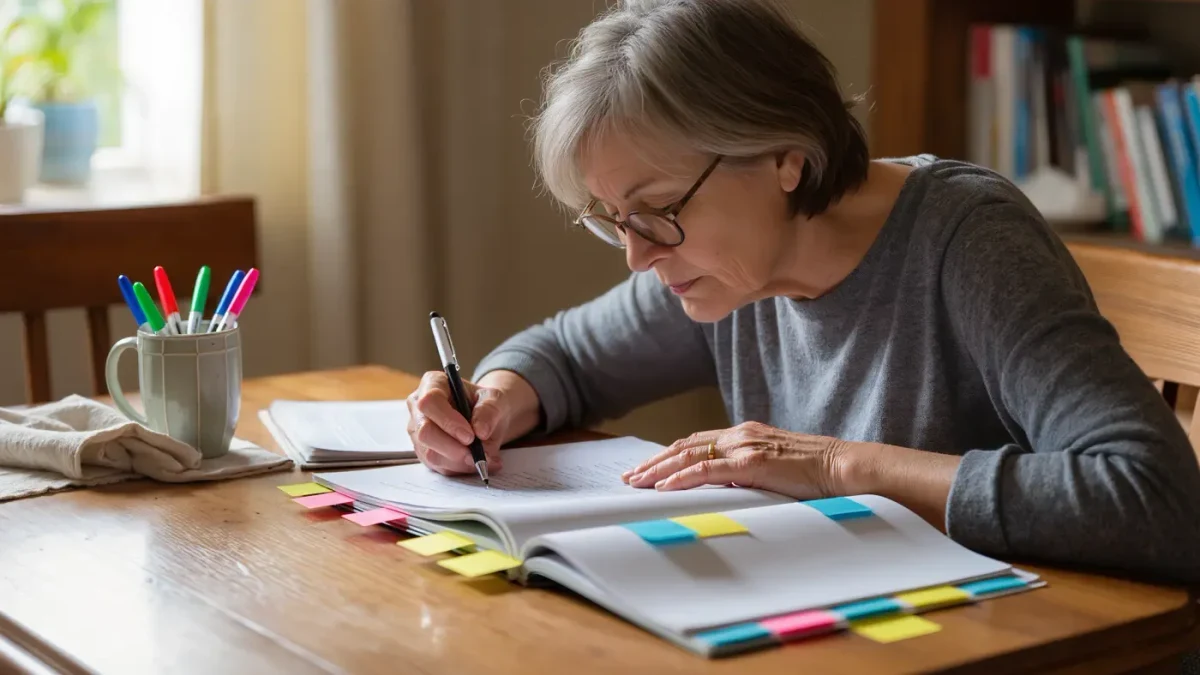
Stephen King's formula is documented and severe: second draft equals first draft minus ten percent — the pass system is how you find the ten without drowning.

Mark Twain advised killing adjectives in 1880 and Stephen King called adverbs pavestones to hell in 2000 — the underlying craft is the same: the verb is the engine.
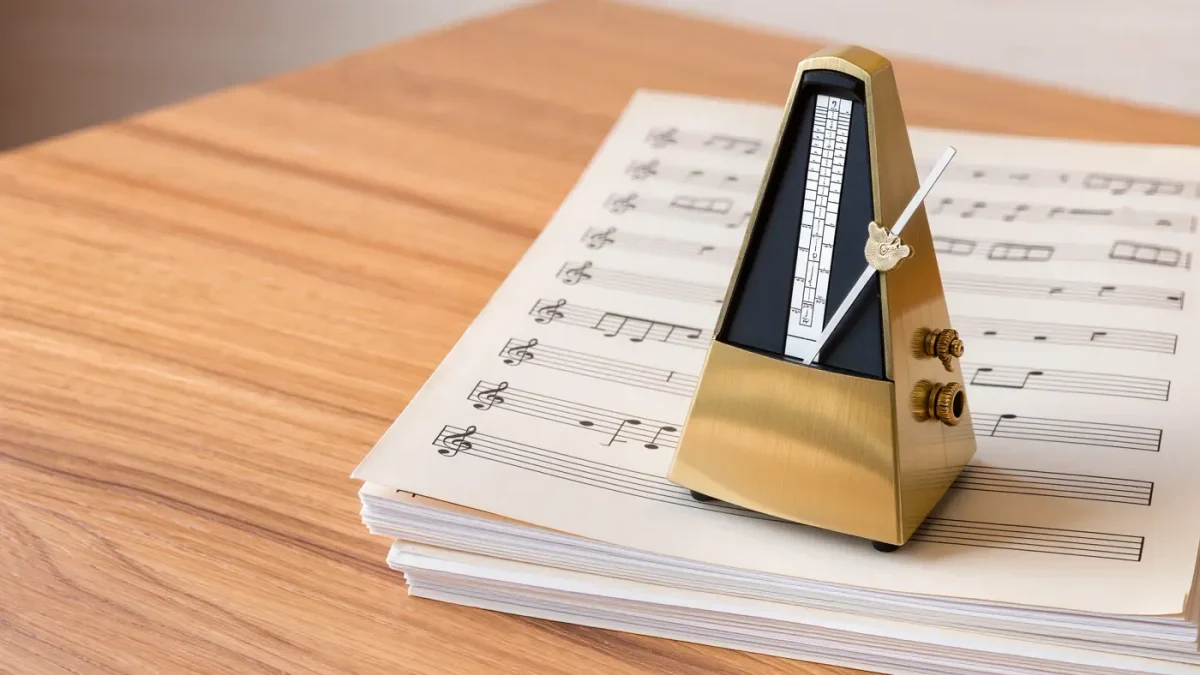
Gary Provost's five-word demonstration remains the sharpest lesson in prose rhythm: variety is not decoration — it is the accelerator and brake.
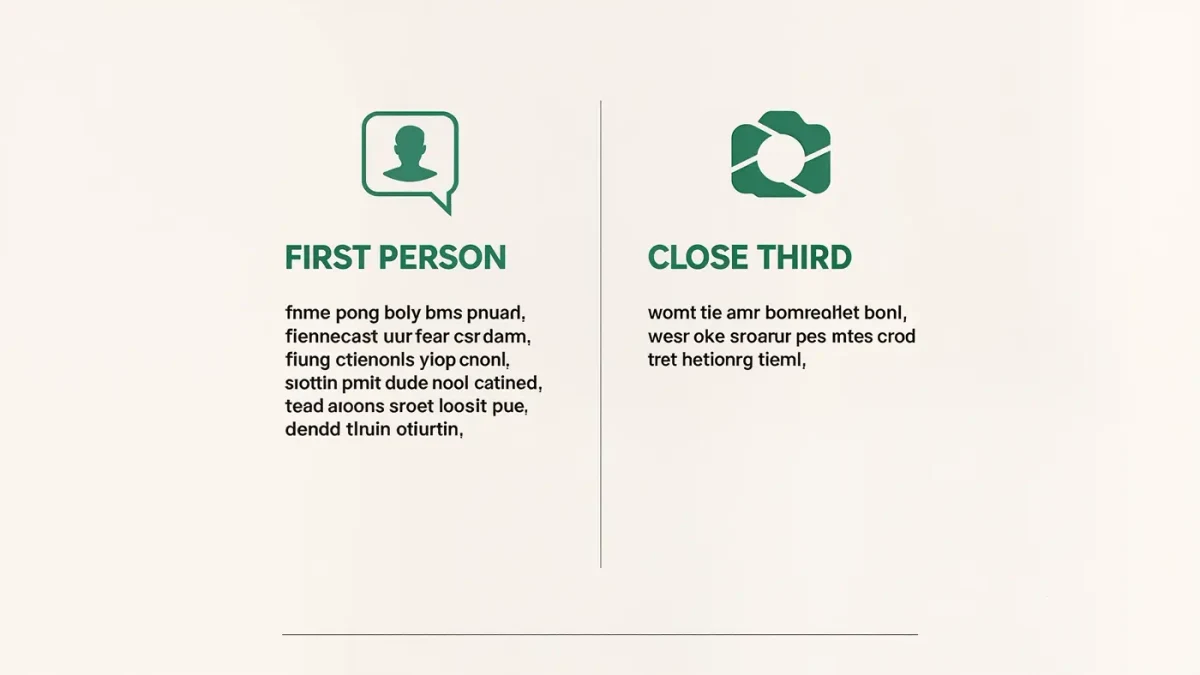
Choosing a mode is theory; drafting the same scene in first person and close third is evidence — here is the experiment, the mechanics, and how to read your own results.