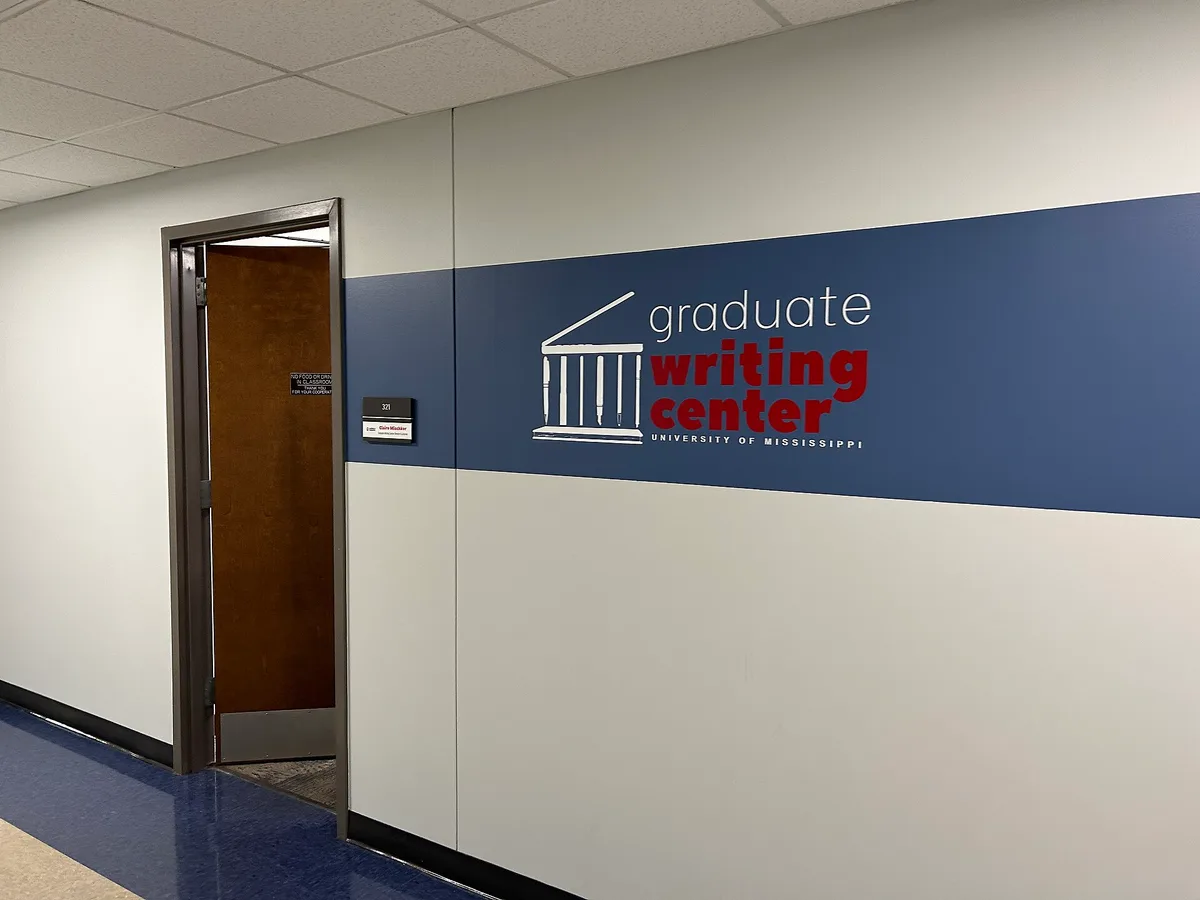
A writing center is a campus service where a writer and a trained tutor talk through a draft together. Sessions are free at most colleges. No grade is attached, and the tutor never takes over the text. The University of North Carolina calls its own center an instructional service for students, faculty, and staff.
What the visit is not is proofreading. Standard accounts of writing center work describe places for joint work, where the point is a stronger writer rather than a polished page. Knowing the shape of a session helps a writer arrive with the right goal.
What Happens in a Typical Session
Typical services, per an overview of writing center practice, include scheduled one-on-one appointments, drop-in hours, group tutoring, and workshops. A session usually opens with the assignment and the writer's goal. The tutor reads part of the text, asks what the page should do, and the two agree on one or two moves worth trying.
The approach is deliberately hands-off. Tutors do not proofread, they do not edit, and they do not assign grades. They discuss how writing works, show ways to reshape a sentence, and help a writer spot patterns of grammatical error. The field's own shorthand for the job is to produce better writers, not better writing. We covered a connected angle in First Person vs Close Third: A Scene Drafted Both Ways.
Who Sits on the Other Side of the Table
Consultants may be undergraduate peers, graduate students, staff, or faculty, working for pay or for course credit. Peer tutoring took hold when Kenneth Bruffee and colleagues needed to meet open admissions demand at CUNY. The idea behind it was simple: people learn to write by talking through the work with another reader. For related coverage, see How to Write Dialogue That Reads Like People.
The tutors gained too, since coaching a draft sharpens the tutor's own writing. American centers began as writing labs in the early twentieth century, first as a method rather than a place. All the work happened during class time. As campuses grew, the labs became institutions, often housed in student success centers or writing studies departments.
What Should a Writer Bring to an Appointment
A session works best when the writer steers. Tutors handle any stage, from a page of notes to a near-final project, since the work spans papers, reports, and web pages across disciplines. The University of North Carolina, like many centers, also offers online consultations and handouts for writers who cannot come in.
- The assignment prompt, or a plain note on what the piece needs to do
- The draft in any state, however rough
- One specific question to open the conversation
- A notebook, since session notes tend to become the revision plan
That last item matters most. A tutor can answer a pointed question far faster than a vague wish for help. The answer tends to come back as more questions, and those questions are the real product of the hour.
How Is a Center Different From an Editing Service
An editing service returns a corrected file. A writing center returns a writer who can find the problem next time. Tutors decline to rewrite on purpose, and grades never enter the room. Commercial editing exists at many price points, and costs and contract terms deserve close reading before anyone pays.
The difference explains the centers' odd rule about correction. A tutor may help a writer notice repeated comma habits, then hand over the principle rather than the fixes. The writer applies them. The goal is ownership of the craft, not one cleaner document.
Conclusion: A Conversation Worth Repeating
Writing centers now reach well past American campuses. The International Writing Centers Association links centers in Europe and beyond, some communities run centers open to the general public, and even the Philadelphia Federal Reserve added one. The lesson travels: read the draft aloud, name one goal, and let a reader's questions steer the next revision.