
Topic
Book Deals: Advances, Royalties, Rights Clauses
A first book contract turns on the advance, the royalty rate, and the rights clauses, and trade publishing in the United States carries no statutory fairness requirements.
A first book contract turns on the advance, the royalty rate, and the rights clauses, and trade publishing in the United States carries no statutory fairness requirements.

Working editors flag the same manuscript habits again and again: mechanical inconsistency, structural problems they query but never fix, and facts that will not hold.

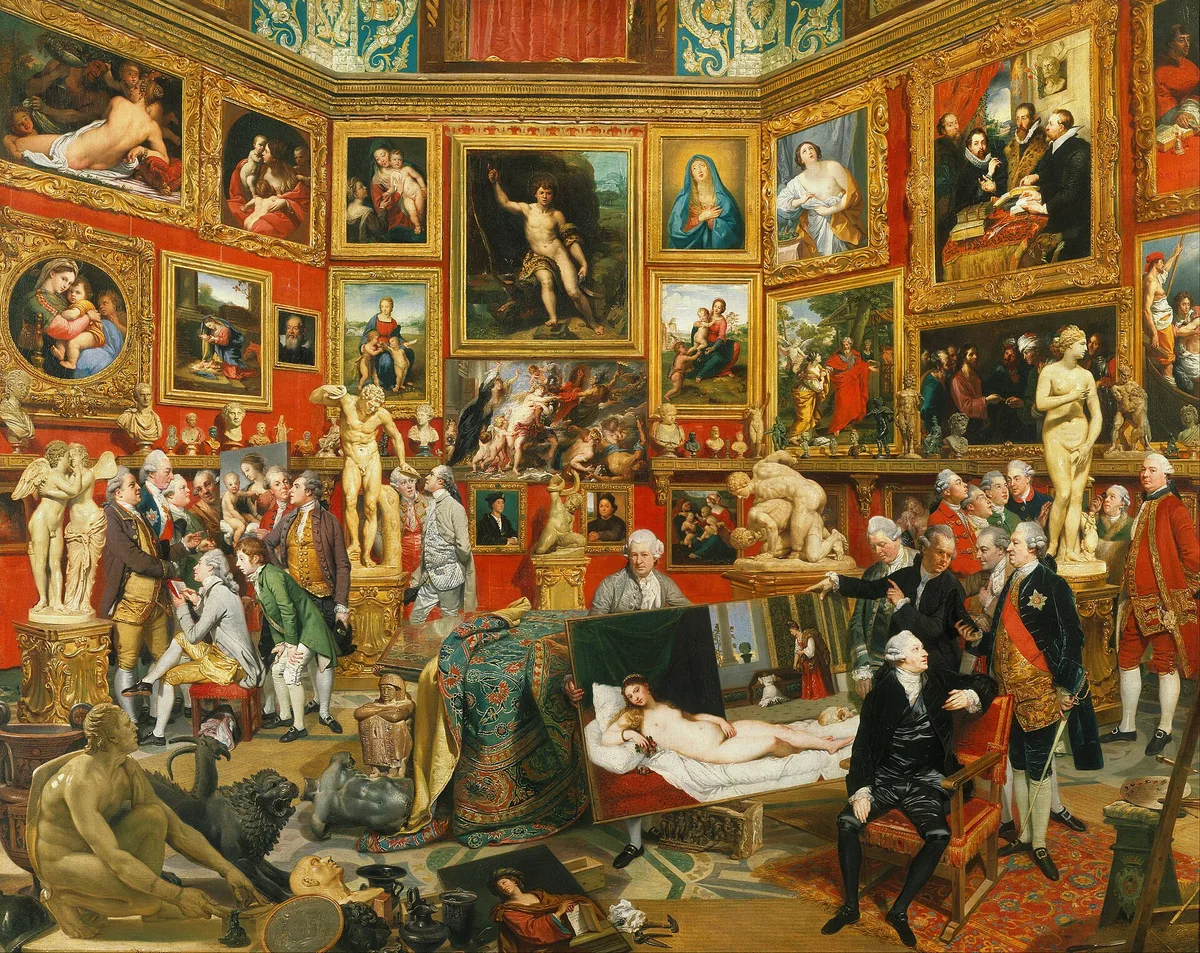
Looking at art is a skill, not a gift. Five steps turn a confusing gallery visit into a real conversation with the work.

From the distributor's warehouse to the front table, the path a new release travels before a browser picks it up.
A campus writing center pairs a writer with a trained peer tutor for a free conversation about a draft, and the tutor never proofreads or grades the work.

Five beats — anchor, spark, pressure, choice, proof — map a character's change onto Freytag's 1863 structure so readers can feel the transformation.

A book clears five gates in traditional publishing: agenting, acquisition, revision, production, and launch, each a separate decision with its own timetable and its own veto.
A fan historian's snapshot of a franchise at a crossroads doubles as a field guide to writing in someone else's universe.

A beta reader round can fix plot, pacing, and consistency, or it can derail your book. Here is how to pick readers, ask sharp questions, and triage notes.

A Carmel executive coach publishes a self-help book with a soundtrack attached. The idea is interesting; the evidence behind it deserves a closer look.