A hybrid author publishes some books traditionally and others independently — the definition is that simple and the practice is that complicated. The Alliance of Independent Authors' recurring author-income surveys, which separate respondents by publishing path, have repeatedly found hybrids reporting the highest median incomes among the three types, a result trade coverage treats as the sector's most instructive data point. The middle path pays not because either side is generous, but because the hybrid runs both machines and keeps the best output of each.
This is a survey of documented industry practice, not career advice for a specific situation.
How does a writer actually become hybrid?
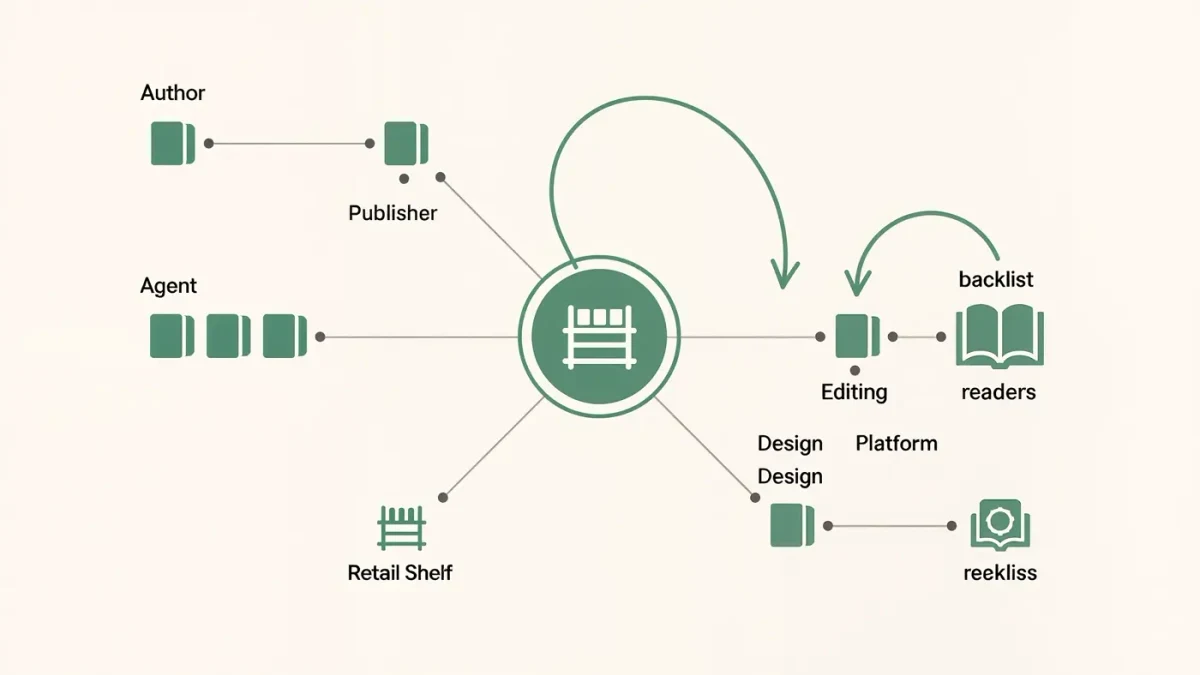
Four documented routes. The classic: rights reversion — a traditionally published author's backlist goes out of print, rights revert under the contract's trigger, and the author reissues the books independently, keeping a much larger royalty share on titles the original publisher had stopped selling. The parallel: different projects take different paths — a literary novel through an agent, genre series self-published at speed. The split by format: trade print deal, self-published audio or direct-to-reader editions where rights were retained. And the pen-name route: one identity trades, another self-publishes in a faster genre. What all four share is that the author, not a publisher, becomes the entity comparing offers and making routing decisions book by book.
What does the independent side actually require?
A small publishing business, run with the diligence that phrase implies. The documented checklist: professional editing, cover design, and proofing contracted per title — commonly a four-figure production investment per book; distribution through the major self-publishing platforms and print-on-demand networks; metadata, pricing strategy, and launch sequencing learned or hired; and the tax and business registration any sole proprietor handles. The workload is the honest cost: hybrids describe spending a third of their working time on operations that traditional authors never see. The reward is control of the three levers trade publishing holds closed — price, packaging, and release timing — and a royalty structure that pays monthly rather than through semiannual statements lagged by earnout math.
What happens to the agent relationship?
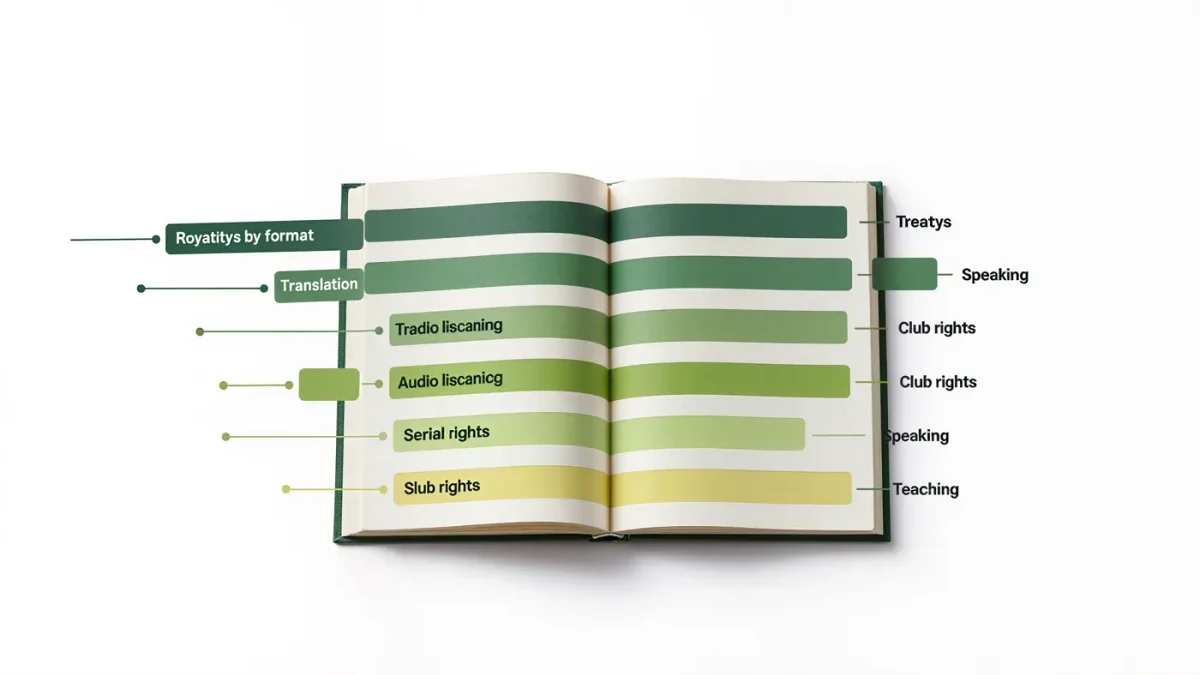
It evolves rather than ends. Agencies increasingly handle hybrid careers two ways: representing the traditional deals as always, and managing subsidiary-rights sales for independently published work — audio, translation, and serial licensing that indie authors cannot effectively negotiate alone. Agent-assisted self-publishing, where the agency's publishing arm produces indie editions for a share, is a documented if debated model; the Authors Guild and agents themselves advise reading the terms against what contractors would cost directly. The working rule: the agent is worth their percentage exactly where access is worth money — foreign and audio buyers, film scouts — and worth little where the service is formatting.
Why do hybrids out-earn, according to the surveys?
Diversification plus optionality. The traditional side provides advances, distribution into physical retail, and prize-adjacent prestige; the independent side provides speed (months, not years), backlist margin, and pricing freedom. A hybrid's income is also anticorrelated across its pipes — a delayed trad release does not zero the indie pipeline — which smooths the calendar gaps documented across every author-income survey. And the hybrid holds the reversion leverage that keeps both sides honest: a publisher negotiating the next contract faces an author with a genuine alternative, a position the purely traditional author has not held in decades.
Who should not go hybrid?
Writers who want to write, only. The independent side is an operations job, and writers who take it on resentfully produce neither books nor income well — the documented failure mode is an author who spends a launch month learning spreadsheets instead of drafting. Genre matters too: the independent channel's discoverability economics (category algorithms, rapid release) favor series commercial fiction far more than literary fiction or narrative nonfiction, where the trade's review apparatus still drives sales. The honest test is appetite: if running the business sounds like autonomy, hybrid is the documented sweet spot; if it sounds like homework, the traditional path's lower ceiling is the price of a closed tab.
Frequently asked questions
Is hybrid the same as hybrid publishing?
No — "hybrid publishing" usually means paid partnership presses where the author funds publication through a company. A hybrid author self-publishes and trades with publishers directly, paying no one for placement. The term collision confuses beginners; the fee direction is the tell.
Do hybrid authors need a company?
Most register a sole proprietorship or LLC for the independent side, per standard business practice — but requirements vary by jurisdiction and scale. Follow the money through an accountant before the first title goes live.
Can a debut start hybrid?
Yes, though the classic path builds craft and one trad credit first. The documented debut-hybrid pattern: a strong self-published genre launch attracts trade interest, converting the author to hybrid with leverage already in hand.