The documented numbers are stark: the Authors Guild's 2018 income survey put American authors' median writing-related income at $6,080, with full-time book authors' medians near $20,000, and the UK's ALCS survey found professional authors' median income at £7,000 in 2022 — down dramatically in real terms over two decades. Against a median American household cost of living, those figures define the honest question. Writing full-time is not a promotion you earn; it is a spreadsheet you survive. Daily Pencil publishes information, not financial advice — for decisions this size, treat this as the map and your own numbers as the territory.
What does the income side actually look like?
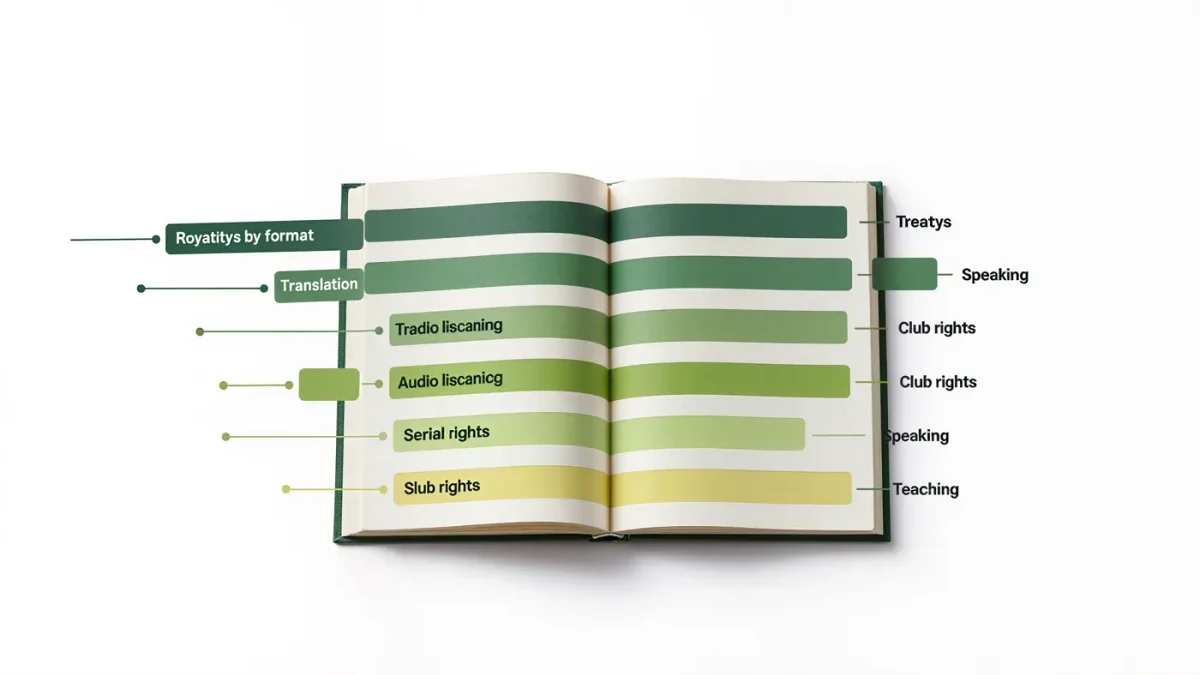
A working novelist's money arrives from a stack of small pipes: advances (commonly five figures for midlist, spaced by delivery and acceptance), royalties beyond earnout (most books never pay them), subsidiary and translation rights, audio licensing, speaking, teaching, and freelance work. The stack's documented shape is a power law — a thin layer of bestselling authors earning most of the sector's income and a long tail earning thousands, not tens of thousands. The practical consequence: full-timers do not have jobs, they have portfolios, and the portfolio requires the same management attention any small business demands.
What is the honest threshold for quitting a day job?
Agents and financial commentators who address the question converge on a conservative test. First, writing income that has covered your actual expenses for two consecutive years — not projections, not one good advance. Second, a runway of six to twelve months of living expenses in cash, because the industry's payment calendar runs six-to-eighteen months behind the work. Third, health coverage solved at a price you have actually priced. Fourth, a spouse, partner, or anchor income that covers the floor if the pipes thin — not because dependence is shameful, but because the documented reality of the tail is volatility. Writers who quit on one strong advance and a feeling describe, in published accounts, the same two years: a contract gap, a delayed payment, a book that underperforms, and the returning job search.
Why do the surveys keep finding income falling?
Structural pressure from several directions at once: median advances compressed in real terms since the 2000s; online retail and discounting cut the list-price royalties base; library ebook licensing and subscription platforms pay on terms authors and advocacy groups contest; and the collapse of midlist print runs thinned the middle of the distribution, where most working writers lived. The Authors Guild made these trends its core advocacy case, and the ALCS documented the same pattern in the UK. None of it means the full-time career is extinct — it means the survivor's profile changed: more income pipes, more teaching and speaking, more hybrids of trade and independent publishing.
What levers actually move the math?
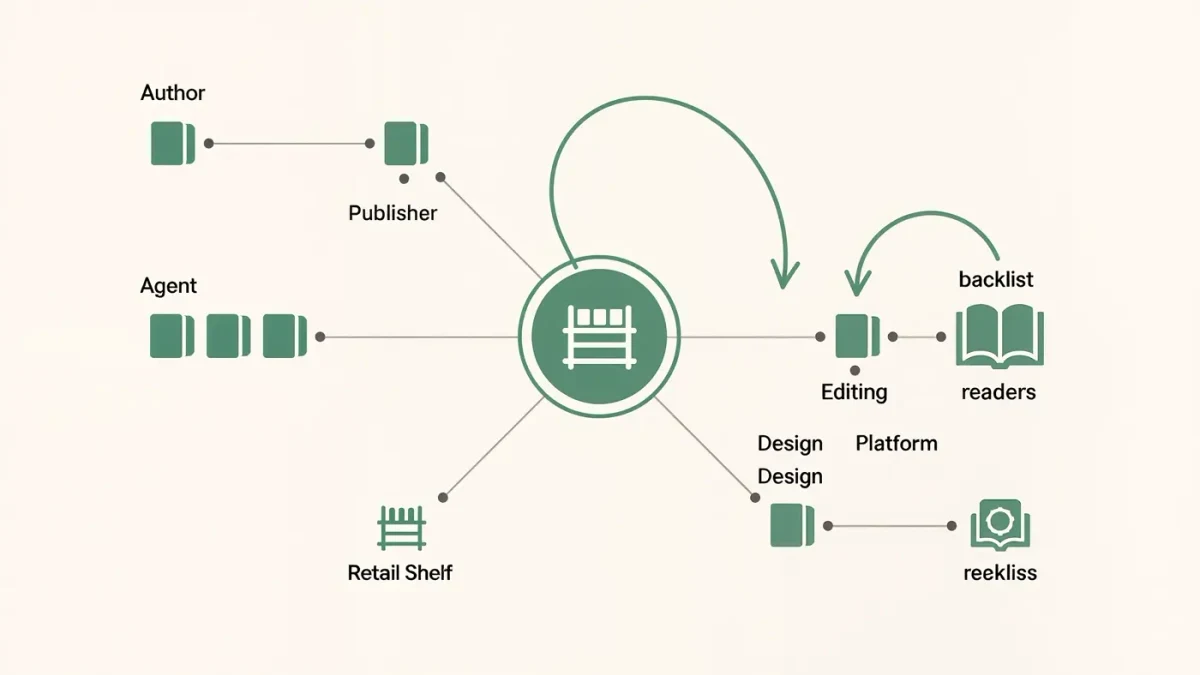
Backlist depth is the documented king: series and slow-selling catalogs compound while single titles spike and fade, which is why career novelists talk about the fifth book mattering more than the first. Subsidiary rights retained and actively sold outperform rights signed away wholesale. Teaching and speaking smooth the advance gaps and, per working-writer accounts, frequently outearn the writing itself — the honest full-timer plans for the mix rather than resenting it. And pace matters in both directions: two books a year can beat one financially, but the documented burnout and quality costs are real, and the second-book problem compounds when the second book is also the rent.
What is the sustainable version of the dream?
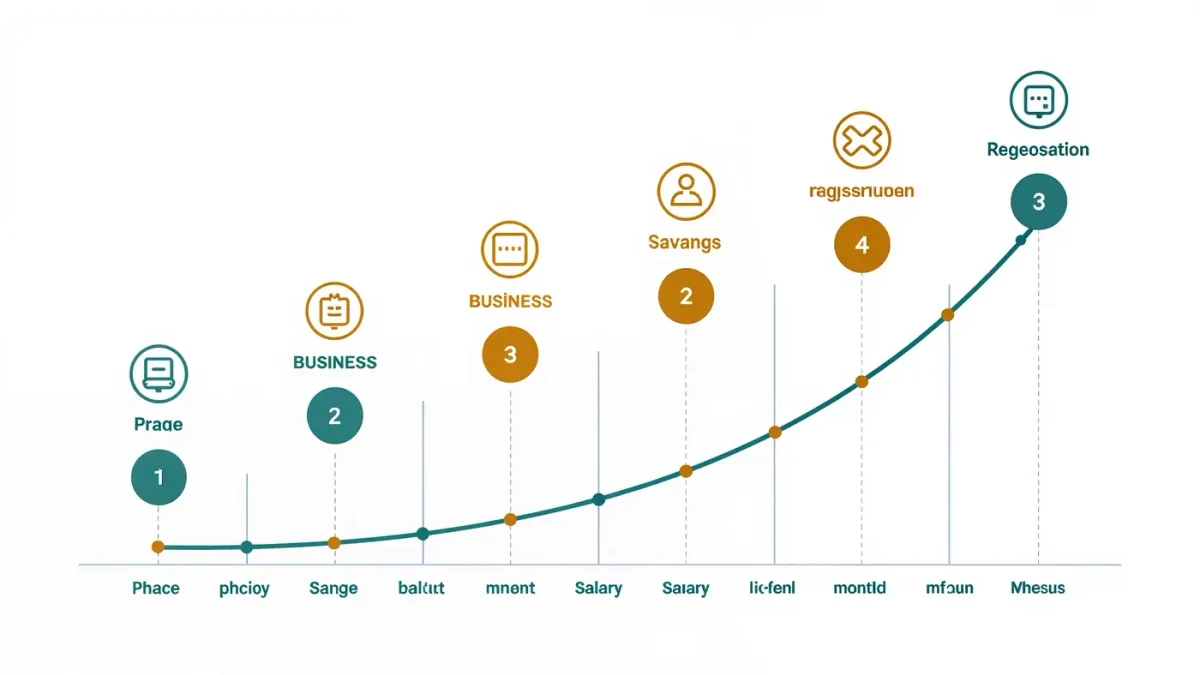
For most documented careers, full-time arrives as a slope, not a door: the day job shrinks to part-time, the portfolio thickens, and one year the salary is the smallest pipe — that is the quitting moment, and some writers decline it and keep the job on purpose. The version that lasts treats writing as a trade with a decade horizon, keeps fixed costs low, banks windfalls, and measures progress in backlist units rather than launch weeks. The math is unforgiving, but it is at least legible — and unlike talent, every line of it is under the writer's management.
Frequently asked questions
How much do full-time authors actually earn?
Medians near $20,000 in Authors Guild surveys for full-time book authors, against a long tail in the low thousands — and a thin top layer earning most of the field's income. The power-law shape matters more than any single figure.
Should I quit my job after selling a first novel?
The conservative test says no: one advance is one payment, not an income stream, and the payment calendar lags the work by up to eighteen months. Quit on two years of covered expenses, a cash runway, solved health coverage, and an anchor for the floor.
Does self-publishing change the math?
It changes the pipes, not the power law: independent authors keep higher royalty percentages and gain pricing control, but the distribution of outcomes remains extreme. Hybrid careers — some trade, some independent — are the documented growth pattern precisely because the pipes diversify.