The term has a working definition in agent and acquisitions practice, documented across deal-making guidance: an author platform is the number of people who will reliably notice when you publish — the audience you can reach without anyone's permission. Everything else that gets called platform is either a component (a newsletter, a subject profile, speaking work) or a costume (follower counts, hashtag activity). The definition's quiet cruelty is that it is measurable: a publisher acquiring a book asks, in the marketing memo, what happens on publication day, and the honest answer to that question is the platform, whatever the social profiles say.
This is a survey of standard industry guidance, not marketing advice — and the guidance itself warns against the extractive fringe of the platform-building industry.
Why does nonfiction need one and fiction mostly not?
Because nonfiction sells on the author's claim to authority — the proposal's competing titles section and platform section weigh equally, and agents selling nonfiction without a demonstrable readership are fighting the proposal's own math. Fiction sells on the manuscript, and the consistent agent guidance is that a novel's platform is at most a tiebreaker: a weak novel with a big following does not get acquired on the strength of the following, while a strong novel with none gets acquired weekly. The practical asymmetry: nonfiction writers should build before proposing; fiction writers should write first and treat any platform built meanwhile as a bonus that compounds quietly.
What is the platform made of, actually?
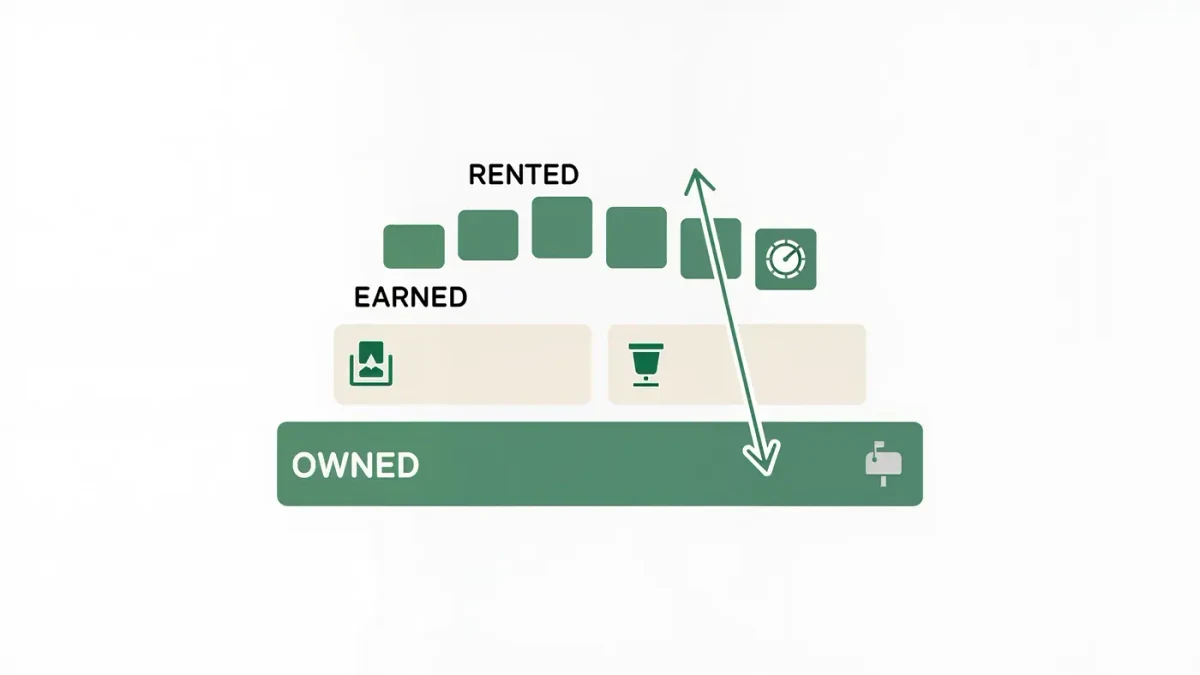
Three layers, ranked by ownership. Owned channels — the email list above all, the one audience no algorithm throttles and no platform can revoke; publishing-industry consensus holds email far above social for conversion, which is why every author-succession story includes the day the newsletter started. Earned channels — bylines, reviews, speaking, media appearances: credibility borrowed one placement at a time, slow to build and permanently compounding. Rented channels — social accounts, whose reach is real but algorithmically priced; the documented pattern treats them as top-of-funnel toward the owned list, not as the asset itself. A platform in good repair has all three; a platform that is only a rented channel is a lease the landlord can terminate with an update.
When should a writer start?
Earlier than the book, later than the writing — the documented sweet spot is when the writer can name the reader. "People interested in my novel" is not an audience; "court reporters," "parents of autistic teens," "readers of quiet historical mysteries about hotels" is. The nameable reader dictates where the platform lives: the subject newsletter, the regional events, the genre community. Writers who start the newsletter two years before the book describe the same arc — the first fifty subscribers are relatives, the second hundred are the real ones, and by publication the list is small but warm, which is the size publishers can actually use. The universal mistake documented across author accounts is starting at contract time, when the marketing calendar needs the audience that only years grow.
What is platform-building malpractice?
Buying followers — a number visible to any marketing team who looks at engagement rates. Publishing into the void daily because a guru prescribed cadence — a platform of exhausted generalities reads exactly like what it is. And paying platform-building services that promise audiences: the Authors Guild and trade commentary have spent a decade warning that this fringe extracts money from beginners and delivers numbers no acquisition memo credits. The repair question is the same one honest publicists use: would this activity exist if the book were ten years away? Platform work that survives that question — the newsletter, the subject writing, the community presence — is the platform; everything else is fidgeting with a costume on.
How much is enough?
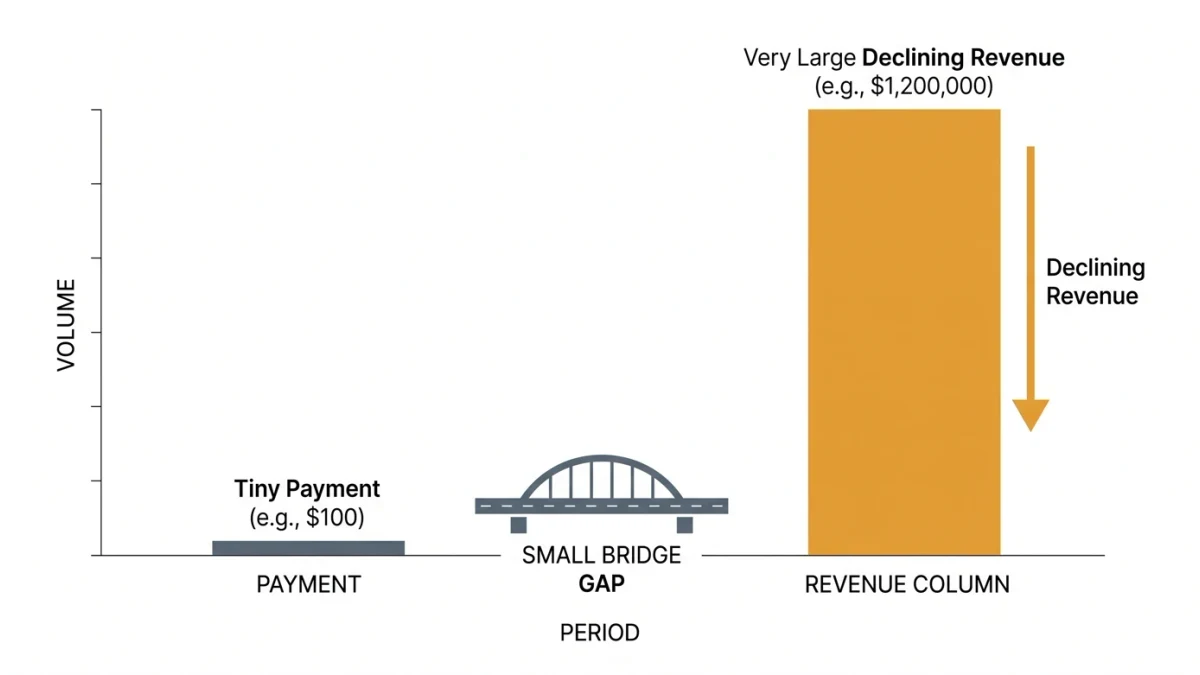
There is no threshold, and the guidance that pretends otherwise is selling something. What publishers evaluate is trajectory and fit: a 2,000-subject list of exactly the book's readers outperforms 40,000 general followers in every marketing memo that matters. The writer's target is therefore proportional and private: some multiple of the audience needed for the next book to reach escape velocity, grown at a pace the writing survives. The platform's honest function, documented across the careers that have one, is insurance rather than engine — a book that finds its own momentum is helped by the audience, and a book that does not is not saved by it. Write like the platform does not exist; build like the next book needs it. Both turn out to be true.
Frequently asked questions
Do I need social media to have a platform?
No — it is the rented layer, useful for discovery and community, structurally inferior to the owned list. Plenty of working authors maintain minimal accounts and strong newsletters; the reverse is rarer and shakier.
Can a platform sell a novel?
Rarely alone. Agents' consistent account is that fiction acquisitions turn on the manuscript, with platform as tiebreaker and marketing support-multiplier. The platform's novel value is post-acquisition: events, pre-orders, the launch week.
What should the newsletter be about?
The reader you can name, not the writer you are — the subject or genre community that book serves. A newsletter about "my writing process" gathers relatives; a newsletter about the thing the reader already cares about gathers readers.