Publicity for a debut runs on lead times most writers learn too late: trade review outlets like Publishers Weekly, Kirkus, and Booklist work from finished manuscripts or advance copies roughly three to four months before publication, and ARCs — advance reader copies — go out to booksellers, reviewers, and librarians five to six months out, per publisher publicity guides and reviewer submission policies published through 2025. By the time a book is on shelves, the campaign is already over. The work a debut can still do is earlier and stranger than posting.
This survey reflects standard trade-practice documentation, not a marketing plan for any specific book.
What does the publisher actually do?
For a typical midlist debut: metadata and catalog setup, ARC production and distribution through services like NetGalley, a press release to book media, pitch emails for podcasts and essays, and — for lead titles — advertising and a tour of key markets. Publicists at major houses carry dozens of titles a season, which is why the practical instruction to authors is consistent across agent and publicist interviews: respond fast, propose angles, and treat the publicist's calendar as the constraint it is. The debut who sends bookstore contacts and essay ideas in February for a June book is workable; the one who waits for launch week is a deadline problem.
What is genuinely the author's job?
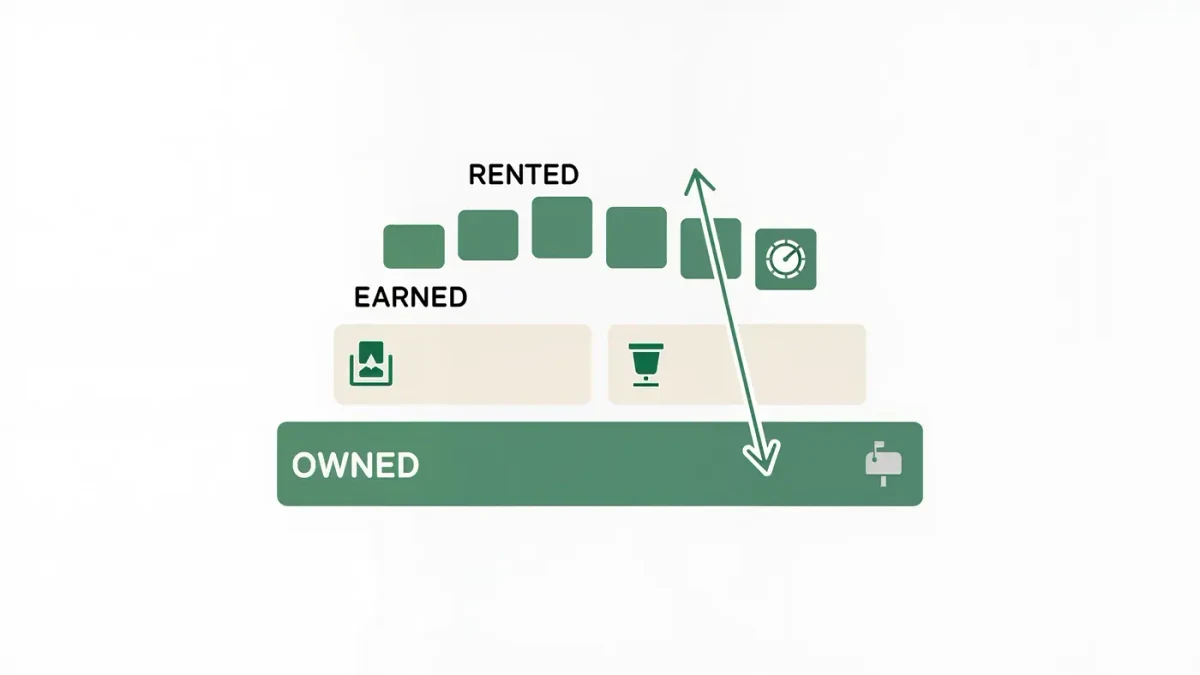
The audience-side work the publisher cannot do: a newsletter or website that captures readers, relationships with independent booksellers in the author's region, personal essays and pieces pitched to outlets that cover the book's subject rather than its genre, and showing up — visibly, over years — wherever the book's actual readers already gather. Documented debut campaigns that outperformed their print runs share the pattern: subject-platform work (the novel about nursing pitched to nursing publications), not genre-platform work (the hundredth pitch to the same book bloggers every novelist pitches).
What about blurbs?
Blurbs happen early or not at all. The request window is before ARCs finalize — editors ask, authors chase their idols, and the realistic strategy agents describe is a small, warm list: writers who know the work, teachers, or blurbers with a genuine tie to the subject. A famous name on the cover moves the needle at accounts; the absence of blurbs is common and survivable. What kills momentum is the blurb campaign that starts at publication, which is a category error — the quotes were needed for the ARC.
What do events actually yield?
Less than the fantasy and more than nothing. A debut's bookstore event typically draws modest crowds — booksellers publicly and repeatedly set expectations at a dozen to a few dozen without a built-in audience — and the value is downstream: staff handselling, the signed-copy table that keeps selling, the relationship with the store for the next book. The documented debut strategy is concentration: a strong launch event in the home market, a handful of nearby stores, and virtual events for reach, rather than a self-funded tour playing to empty rooms in eleven cities.
How does a debut work with their publicist?
By being useful early. The working relationship documented in publicist interviews has a rhythm: the publicist pitches media they know will consider the category; the author supplies what pitches need — angles, personal essays, subject expertise, regional press hooks, and any genuine connections to podcasts or outlets covering the book's terrain. A one-page fact sheet the publicist can forward — comparable titles, the author's story, three essay ideas, availability — does more than weekly check-ins. Debut authors who treat publicity as a collaboration they joined, rather than a service they purchased, consistently report better results, and the reason is structural: the publicist holds the relationships, but only the author holds the material.
What should a debut not do?
Do not buy visibility — paid review services and pay-to-play book awards are documented extractive patterns, and warning about them is standard advice in author-community guidance. Do not spend the publication window arguing with reviewers. And do not measure the campaign by launch week: trade coverage and book club and library adoption arrive on their own clocks, and backlist momentum — the slow sell that pays the second book — is built by presence over months, not by one week of noise. The writers who survive publicity psychologically are the ones who file launch week as a milestone, not a verdict.
Frequently asked questions
When should a debut start publicity work?
Six months before publication at the latest — that is when ARCs and NetGalley slots are set and trade review deadlines are still open. Earlier is better: bookseller and subject-community relationships are built over years, and the publication date only harvests them.
Does every debut get a tour?
No — tours are mostly for lead titles. A typical debut gets a launch event and regional support; anything beyond that is negotiated or self-arranged, which is why concentrating on a few strong events beats a sprawling self-funded itinerary.
Are paid review services worth it?
No. Author-advocacy guidance is unambiguous: paid reviews and pay-to-play awards extract money from beginners and carry no weight with trade buyers, booksellers, or librarians — the audiences whose attention actually moves a book.