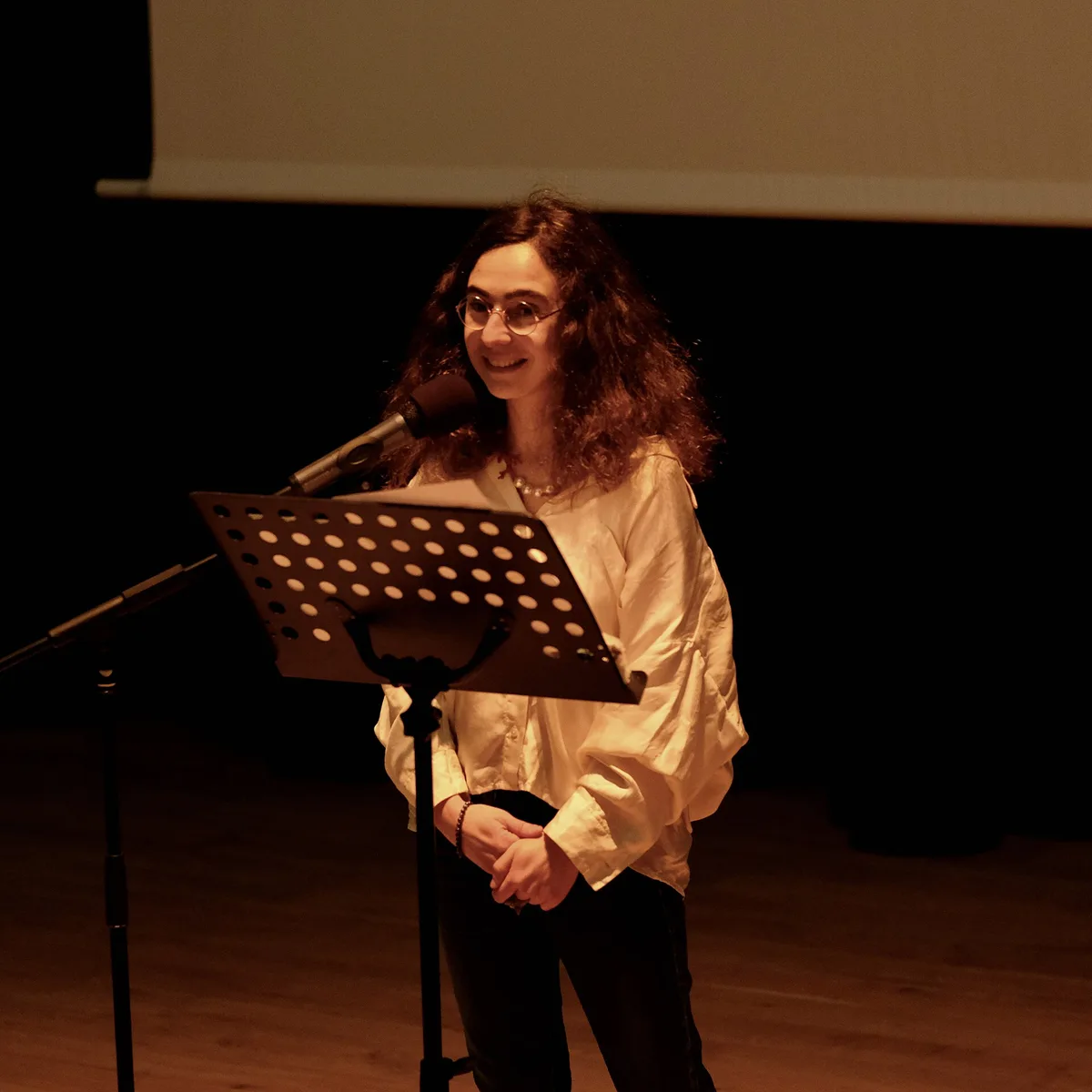
Your draft is done. You have revised it once, maybe twice, and you can no longer see it straight. This is the moment for beta readers, and also the moment when many writers fumble the round. They send the file to ten friends, get ten vague replies, and rewrite the book into mush. It does not have to go that way.
A beta reader is a test reader of an unreleased work who gives feedback from the point of view of an average reader. You use that feedback to fix remaining issues with plot, pacing, and consistency. The term comes from software, where beta testers use an unreleased product to find problems. Run the round like an engineer, and you will not lose the plot.
Pick a Few of the Right Readers
You do not need a crowd. Three to five readers who like your genre will tell you more than twenty random ones, because real patterns show up fast. Know what each kind of helper does. A proofreader only looks at grammar and spelling. A critique partner is a trained writer reading as an author. A beta reader is a trained reader, test reading like a typical member of your audience. A sensitivity reader is a specific type of beta reader, from a culture the author does not know well. Match the helper to the question you need answered. Readers following this should also see Reading Like a Writer: The Actual Practice.
Send the Right Draft at the Right Time
Timing matters more than most writers think. A beta reader typically reviews a draft that has gone through at least one revision. Send a draft with no ending, and you are asking for an alpha read instead. Fix the holes you already know about first, and clean the surface noise as best you can. There is no point spending reader goodwill on problems you could have caught alone with one more pass. This connects to our earlier piece, Do You Need to Outline a Novel Before You Write It.
Ask Sharp, Narrow Questions
Vague requests get vague answers, so do not ask if they liked it. Ask where they got bored. Ask which character they cared about most, and what they expected to happen that did not. Ask where they stopped reading, if they stopped at all. Remember that a beta reader also serves as a sounding board: did the work have the intended emotional or intellectual impact? Test that goal with every question you send, and keep the list short enough that people finish it.
Triage the Notes Before You Rewrite
When notes arrive, resist the urge to obey them all. One reader's confusion may be taste. Three readers lost in the same chapter is a signal. Look for agreement first, then weigh single voices against your intent for the book. Fix plot, pacing, and consistency in that order, and keep a written list of what you will not change. That list protects the story from the round. Your intent is the one voice that outranks every note.
Thank every reader, even the ones whose notes you drop. A good round should leave people glad to read for you again. Tell them what you changed, so they see their effort land. Writers who treat readers well rarely run short of them.
Conclusion: A Round, Not a Vote
A beta round is a tool, not a referendum. Choose a few right readers, send a revised draft, ask sharp questions, and triage with a cool head. Do that, and you will fix the real problems without sanding off the parts only you could tell.