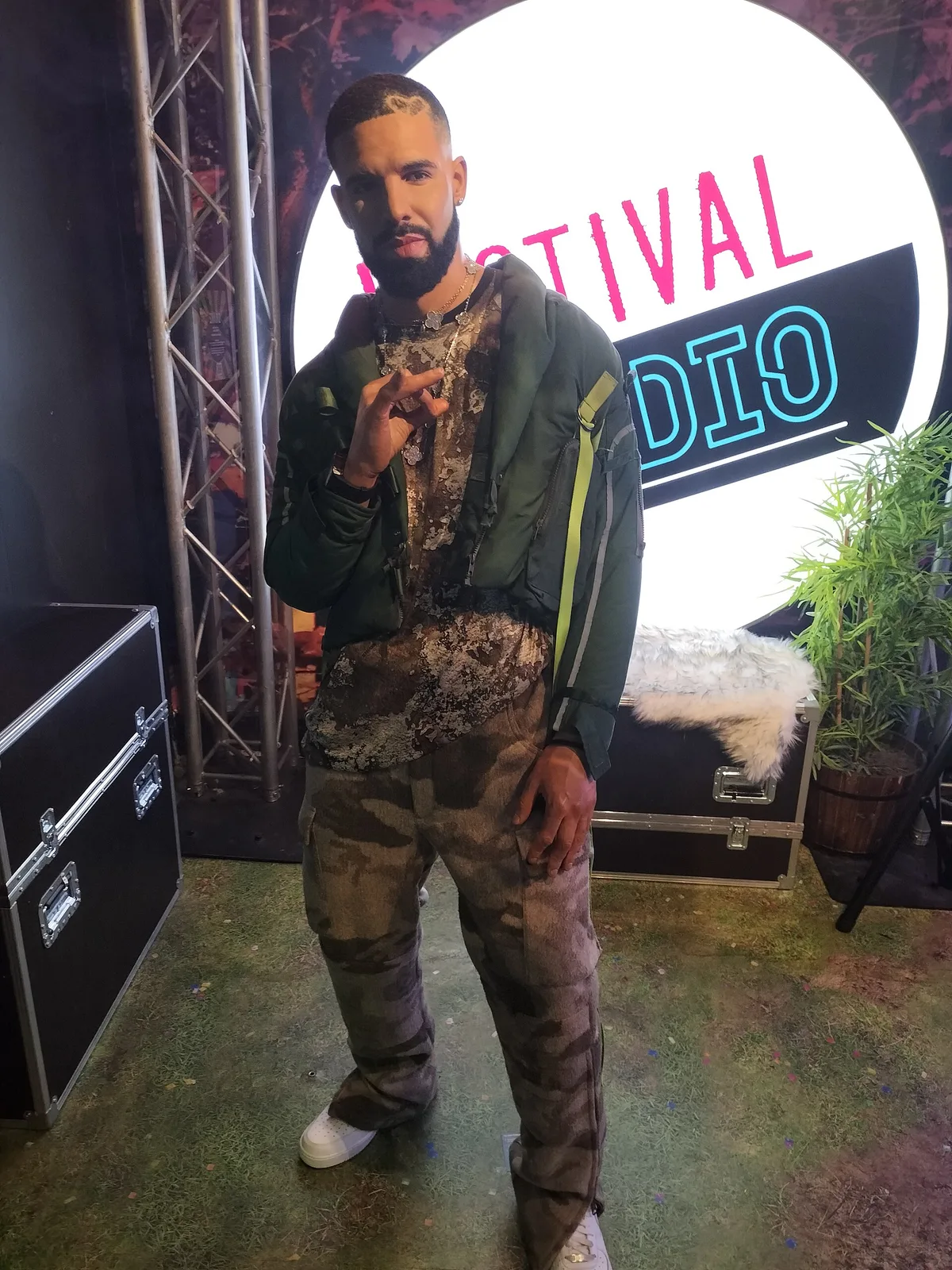
Did Drake really give away all the publishing money on 'Solar Eclipse'? The honest answer: one well-placed ally says so, nobody has confirmed it on paper, and the whole story hangs on that single voice. If it is true, Ella Langley and her co-writers take 100 percent of the writing and publishing shares, and Drake and Don Toliver take nothing.
Even taken at face value, the gesture is unusual. Remixes, interpolations and samples are routine in hip hop and R&B, but walking away from the royalties entirely is rare enough that it deserves a second look before anyone calls it a turning point. The news, and the reading of it, come from Holler Country, which itself leans on one stream broadcast.
For writers watching from outside the music business, the episode is still worth a read. Publishing splits are the music-world cousin of the rights conversations this site covers in publishing news: who owns what, and who gets paid when a work travels. We covered a connected angle in The Art of the Tie-In: What Star Wars Publishing Teaches Writers About Shared Worlds.
Who actually made the claim, and can we trust it?
The entire report traces to DJ Akademiks, described by Holler Country as one of Drake's closest media allies and a former mouthpiece during the Kendrick Lamar beef. Speaking on a Kick stream, he said: "Apparently, all the publishing actually goes to the women on the song, so, I believe the producer and Ella. So, Drake doesn't even make any money off of this... He opted to do that, obviously".
Notice the hedges in his own words: "apparently", "I believe". Holler Country flags the possibility directly, noting it is possible Akademiks was mistaken. A friendly source repeating a secondhand arrangement is not a contract, a registry entry, or a statement from Drake's camp. Until one of those appears, the forfeiture should be treated as reported, not confirmed. That is the first trade-off in this story: the more dramatic the claim, the thinner the sourcing behind it.
Why give up the money at all?
Akademiks offered a motive, and it is a consumer-facing one rather than a legal one. Fans had been flooding Drake's messages, and fake uploads of the song kept appearing online. "The reason why we're getting it is literally because the fans have been blowing up his DMs," he said, adding that Drake "wanted to get it on streaming".
Read skeptically, this is a tidy narrative from a loyalist: a hit single reframed as a gift to listeners. Read generously, it is consistent with the release pattern Holler Country describes, in which Drake has kept a steady run of albums roughly every year or two while peers slow their rollouts. Both readings fit the same facts. The evidence does not settle which motive dominates, and it would be a mistake to pretend otherwise.
What does this say about the Langley relationship?
The sourcing here is again interpretive, but the logic is cleaner. Langley's 'Choosin' Texas' sits atop the Billboard Hot 100 on a record-breaking streak, and 'Solar Eclipse' is a remix of it. Holler Country argues that adding Langley's vocals to the remix could split streams and pull attention from the original, which explains her absence without any need for a feud.
Clickbait headlines had suggested otherwise after Drake re-uploaded his FOMO short-film and footage of Langley backstage was removed. The publication's counter-reading: no bad blood, and Langley's silence on the remix, if it continues, likely protects her own hit. It is a reasonable inference, but an inference all the same. Removed footage can mean many things; the evidence supports "no confirmed conflict," not "warmth confirmed."
Does this settle the culture-vulture argument?
Holler Country makes its strongest claim here: that forfeiting publishing makes 'Solar Eclipse' feel like an homage rather than a bandwagon jump, and that this undermines the long-running accusation that Drake takes from genres without elevating their artists. The piece notes he has faced that criticism across dancehall, regional Mexican music, House and Afrobeats, and counters that he often collaborates with artists from those scenes.
A measured view cuts both ways. One royalty waiver on one remix does not erase a pattern of criticism, and the pattern itself, as the article concedes, was always contested. But if the forfeiture is real, it is at least a concrete act rather than a press statement, and concrete acts are the only kind that move arguments like this. The claim also fits a larger read: Holler Country sees the release as a message to Universal, Drake's label, amid an ongoing feud — proof he can craft a hit even one that earns him nothing. That is the publication's own analysis, and it is clearly labeled as interpretation rather than fact.
What writers should take from this
Strip away the celebrity framing and there is a plain lesson about rights and leverage. Drake can afford to waive publishing on a single because his catalog earns elsewhere; the co-writers on the underlying song gain shares they might never have received. Rights decisions are rarely about principle alone. They reflect who can absorb the loss. Readers following this should also see Writing Retreats: What They Cost.
For anyone working through their own split-the-rights questions, the mechanics of shared credit and revision are familiar ground in development, where the same question recurs in a quieter register: who owns a joint work, and what does generosity cost?
What remains unknown is the part that matters most. No verified document confirms the publishing waiver. No statement from Drake, Toliver, Langley or their representatives appears in the reporting. 'Solar Eclipse' is reportedly en route to a Top Five debut on the Billboard Hot 100, so the stakes are real. The sensible position for now: interesting if true, unproven until someone with standing says so on the record.