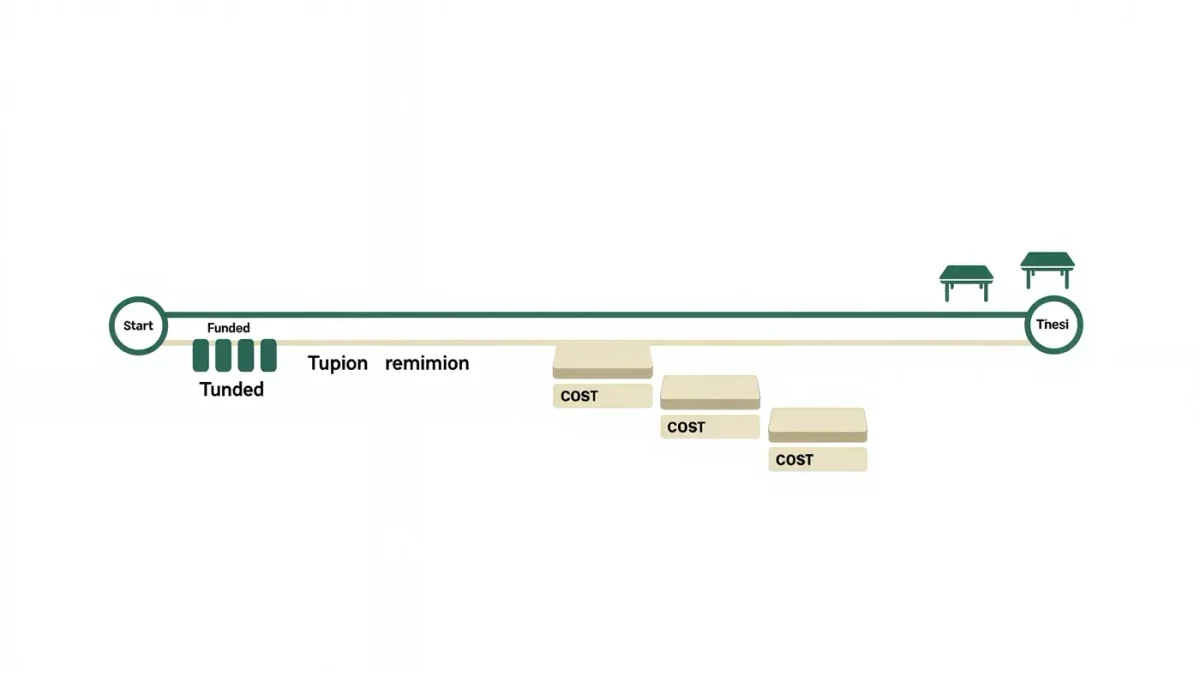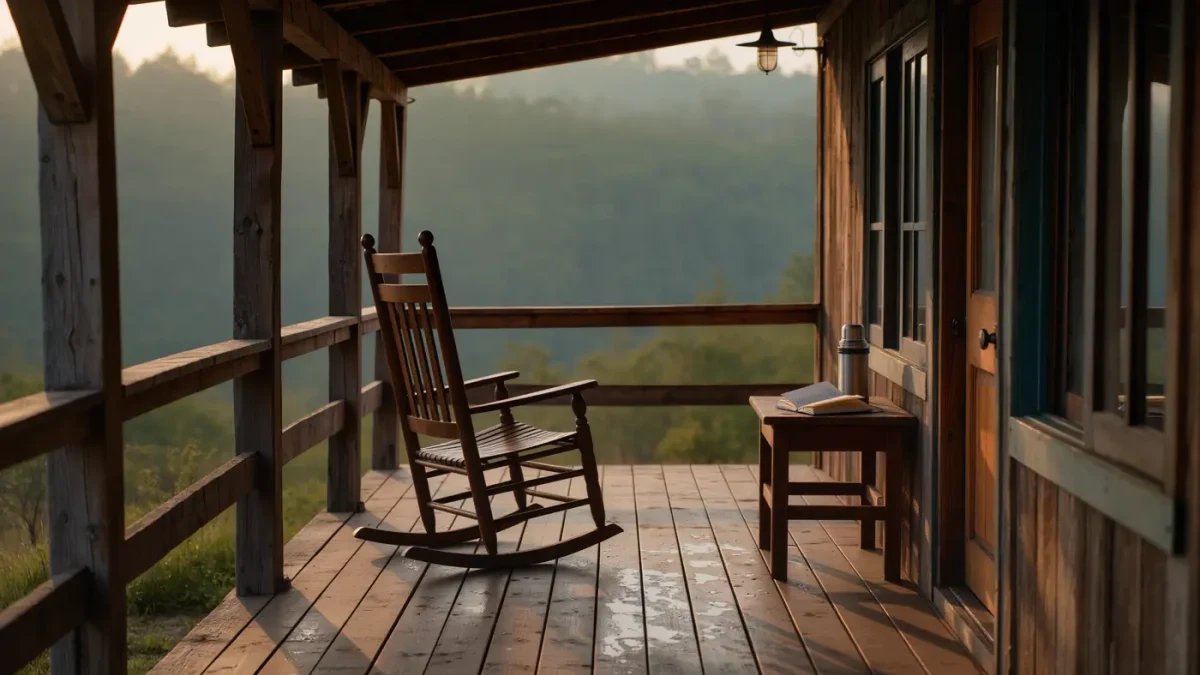
The cost spectrum runs from free to four figures per week. At the funded end sit the historic colonies — MacDowell in New Hampshire, Yaddo in Saratoga Springs, Ucross in Wyoming — which provide room, board, and a studio at no charge, funded by endowments and donations, with selectivity that their published application counts place in the single digits to low teens of percent. In the middle are low-residency programs and university-affiliated retreats that bundle teaching with lodging. At the paid end, commercial retreat centers and rented cabins run from roughly a hundred dollars a night for self-catered rural rentals to several hundred at full-service retreats with meals and programming — market rates documented across the retreat-listing sites writers comparison-shop on. The choice among them is a genuine purchase decision, and the buyer should know what the money is buying.
What does a funded colony actually give you?
The MacDowell model, stable for decades and documented in the organization's own materials: a private room, a private studio, meals delivered to the studio door, and — the actual product — weeks of unstructured time among other working artists. No classes, no feedback requirement, no obligations beyond the work. The famous deliveries of lunch baskets at MacDowell exist to remove the last decision from the day, and alumni accounts across a century describe the same effect: the first three days restless, then a depth of session focus the home desk rarely sustains. The cost is the odds and the calendar — applications go before panels on work samples, and a residency lands months after the deadline it won.
What do paid retreats give that free ones don't?
Acceptance and structure. A commercial retreat takes nearly anyone who pays, which converts the colony's lottery into a purchase — useful for writers with deadlines, with money, or with a book that must be finished this season rather than eventually. Many add programming: workshops, craft talks, evening readings, sometimes manuscript consultations, the teaching layer the colonies deliberately omit. The honest ledger for buyers: you are paying primarily for environment and calendar forcing, secondarily for instruction, and the value scales with how much your home environment is the bottleneck. Writers whose obstacle is knowledge (structure, craft, feedback) get more from a workshop or an editor; writers whose obstacle is time and interruption get more from the room.
| Option | Cost | Odds/entry | Best for |
|---|---|---|---|
| Funded colony (MacDowell, Yaddo, Ucross) | Free | Highly selective, work-sample panels | Uninterrupted project time |
| University/low-residency retreats | Tuition, often with aid | Application, moderate | Structure plus teaching |
| Commercial retreat center | Hundreds per night, typically | Nearly all who pay | Guaranteed dates, programming |
| DIY cabin rental | Roughly a hundred/night self-catered | Calendar and cash | Privacy, total self-direction |
| Home retreat (scheduled, devices away) | Free | Discipline only | Testing whether you need one |
Is the DIY version legitimate?
Entirely, and it is the fastest-growing documented practice — a rented cabin, a friend's empty house, an off-season cottage, two weeks and a word target. The DIY retreat strips the experience to its working ingredients: distance from household triggers, no errands available, meals pre-planned. What it loses is the social architecture — the other artists at dinner, the ambient seriousness of a building where everyone is working — which colony alumni name as half the effect, and the accountability of a place expecting you. Writers who succeed at DIY retreats replicate the missing pieces deliberately: a fixed schedule, a check-in partner, a rule about the phone as strict as any colony's.
How do you apply to the funded ones, realistically?
Like any blind-judged submission, repeatedly and without hope per attempt. The work sample decides; the application's project statement should be concrete and modest in scope — panels, like agents, trust "finish the draft of X" more than "explore themes of." Deadlines cycle two or three times a year at most colonies, there is usually a small application fee, and reapplication is expected rather than embarrassing — many accepted residents report several cycles of nos first. The practical strategy used by working writers: apply to five or six colonies a cycle, plan the DIY or paid version as the floor, and treat any acceptance as the bonus it statistically is.
When doesn't a retreat work?
When the problem commutes with you. Retreats fix environment and calendar; they do not fix a structural problem in the manuscript (which follows in the luggage), burnout (which needs rest, not a different desk), or a book that has no plan. The documented failure case — a writer paying for two silent weeks to sit inside the same stalled chapter — is common enough that retreat counselors advise a decision before booking: name the bottleneck. If it is time and interruption, book; if it is the book, spend the money on an editorial read or a workshop instead, and take the retreat when there is something to feed it.
Frequently asked questions
Are residencies really free?
The historic colonies are — room, board, studio, funded by endowments, with a modest application fee as the only cost. Newer programs vary: some charge subsidized fees, some trade work for stay. Read each program's terms; "residency" covers both gifts and invoices.
How selective is MacDowell, honestly?
Its published numbers have long shown thousands of applications for a few hundred residencies — single-digit to low-teen acceptance. The sample is blind to credentials in effect: panels judge the pages, so the strategy is the submission strategy: strongest pages, modest statement, repeat cycles.
Is a writing vacation a retreat?
Not unless writing is scheduled into it. The retreat's documented active ingredient is forced calendar structure — sessions, targets, a building expecting work. A vacation with a notebook in the bag is a vacation, which is also fine; just book it under its real name.