A Master of Fine Arts in creative writing typically runs two to three years across more than two hundred American degree programs — the Poets & Writers MFA database is the standard census — and the difference between a fully funded place and an unfunded one is the difference between a paid apprenticeship and a five-figure purchase. The degree reliably delivers three things: time, workshop training, and a literary community. What it does not deliver — publication, an agent, a teaching job — is the part applicants most often get wrong.
This is a survey of published program data and trade coverage, not a recommendation for any individual decision.
What does the degree actually consist of?
Workshops, literature seminars, and a thesis manuscript. The workshop is the engine: twelve or so writers submit pages, and the table debates what the pages are doing across two structured hours. Seminars teach close reading of published work as craft rather than scholarship. The thesis — a finished novel, story collection, or poetry manuscript — is the exit requirement, and its adviser relationship is where much of the real teaching happens. None of these components is magic; each is a structure that forces production and criticism on a schedule most self-directed writers never manage alone.
What does workshop teach that self-study doesn't?
Two skills with transfer beyond writing. First, diagnosis: hearing twelve readers misread the same page locates the fault in the page, not the readers, and that calibration — knowing which criticism to take — is the single most-cited benefit in program alumni interviews. Second, speed of revision: the semester rhythm of submitting, digesting, and rewriting trains a professional cycle that mimics editorial deadlines. The documented cost is workshop voice — the smoothing effect of writing for a table of peers, which working writers spend their first post-MFA book unlearning.
Who pays, and for what outcome?
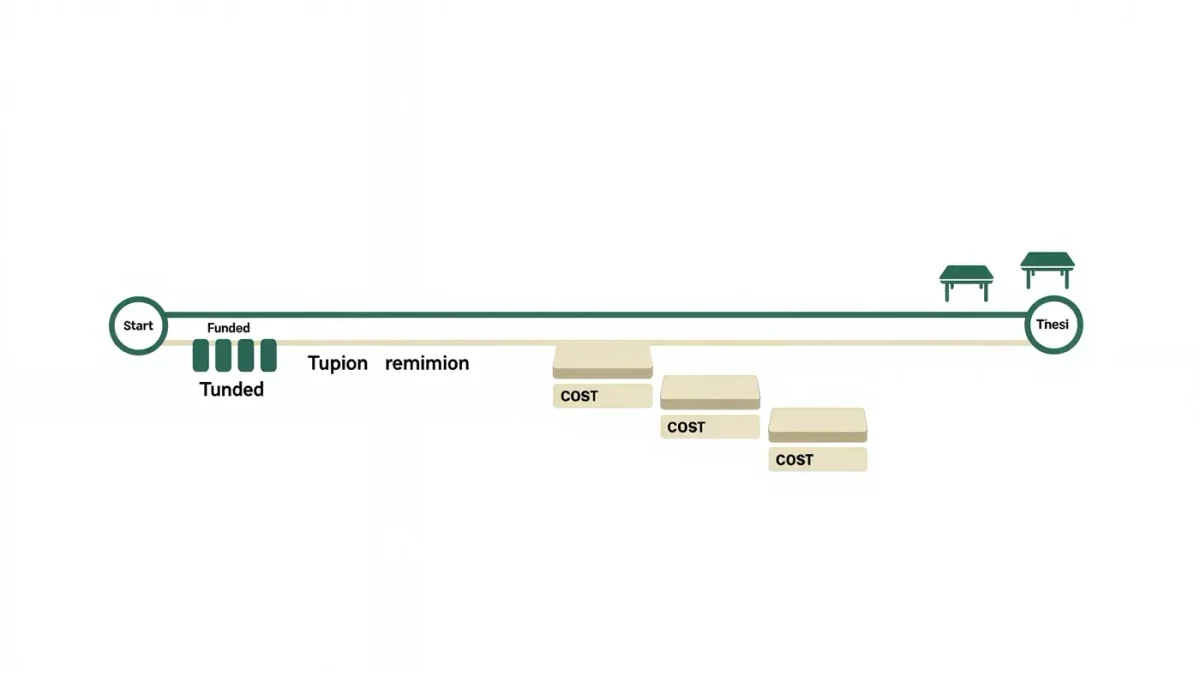
The funding map is the real admissions picture. A tier of programs — Iowa's Writers' Workshop, Michigan's Helen Zell Writers' Program, and dozens of others — fund all or nearly all students with stipends and tuition remission in exchange for teaching or none at all, making them effectively free with a living wage. Below that tier, costs climb quickly: unfunded programs commonly run into the tens of thousands of dollars in tuition and living costs. The honest ledger: funded MFAs are competitive jobs with writing as the work; unfunded MFAs are purchases, and the purchase only makes sense when the buyer has money the degree does not need to return.
What won't an MFA do?
It will not publish the thesis, place an agent in the inbox, or guarantee teaching work. The academic job market for creative writing faculty is oversupplied by any published measure, and the industry side — agents, editors — does not recruit from MFA programs the way law firms recruit from law schools. What programs' documented outcomes show instead is quieter: alumni publish more often than statistically matched non-attendees over long horizons, an edge researchers and program surveys attribute to sustained practice time as much as instruction. The degree is an accelerant, not a credential. Nobody in trade publishing asks where a manuscript was workshopped.
What are the working alternatives?
Every component of the degree exists outside the university, unbundled and cheaper. The table above maps them; the unbundled route costs less money and demands more self-management, and its documented failure mode is attrition — no grades, no stipend, no cohort waiting on pages.
| MFA component | Unbundled equivalent | Trade-off |
|---|---|---|
| Workshop table | Independent critique group, fee-based workshops | Calibration quality varies; no admissions filter |
| Literature seminars | Self-directed close reading with craft books | No structure unless imposed |
| Deadlines | Writing groups, contest dates, paid courses | Self-enforced only |
| Community | Conferences, reading series, online cohorts | Requires initiative; less durable |
| Time | Residencies, retreats, life arrangement | Funded time is the hardest to replicate |
What does the application actually weigh?
The writing sample, overwhelmingly. Program directors and admissions guidance are consistent: the manuscript pages decide, and the personal statement exists mainly to show the applicant has read the program and can name why the fit works. Deadlines cluster between December and February for autumn entry; most programs have dropped the GRE, and recommendation letters function as a professional sanity check rather than a ranking device. A rejected applicant with a weak sample and strong letters loses to the reverse every cycle.
Practical consequences follow. The sample should be the work closest to the thesis the applicant intends — a novel excerpt of thirty to fifty pages that opens strongly, since readers triage fast. Applying to a dozen funded programs is normal and cheap relative to the stakes; the fee total is smaller than one unfunded semester. And reapplying is routine — program cohorts routinely include second- and third-cycle admits, whose samples improved in the interim, which is itself evidence that the apprenticeship can begin before admission.
How should a writer actually decide?
Run the decision in this order. Apply only to funded programs first — the application costs less than one semester's unfunded tuition. Ask programs for placement data: thesis publication rate, alumni agenting, where graduates teach. Audit whether the failure the degree fixes is craft feedback or accountability; the second is cheaper to fix than the first. If the goal is a novel, weigh the MFA against two years of a job that leaves mornings free — several documented career paths took that route instead. And if the debt number requires the degree to pay off professionally, walk away; the data says it will not.
Two footnotes complete the picture. Low-residency programs — ten-day residencies per semester with remote mentorship between — price out lower on average than residential peers and suit writers who cannot move; their documented weakness is exactly the cohort effect the residential degree sells, so applicants trading structure for flexibility should know the trade. And the year after the MFA has its own documented shape: the thesis leaves with its author, the deadlines vanish, and alumni consistently report that the first post-program book stalls unless a writing group replaces the workshop within months. The degree ends; the table has to be rebuilt.
Frequently asked questions
Do agents care about MFAs?
Not as a credential. Agents read the pages; a workshop pedigree might invite a closer look, but no one signs a manuscript because of its program. The MFA's agenting value is indirect — thesis advisers and alumni networks make introductions the slush pile does not.
Can you teach with an MFA?
You can teach creative writing — community colleges, undergrad courses, workshops — and many do. Tenure-track creative writing positions, however, increasingly list publications as the decisive qualification, and that market is oversupplied. The degree opens the door; the books get you the job.
Is an online MFA worth less?
Employers do not distinguish, and several low-residency programs carry strong faculty and funding. The real difference is community: the cohort effect documented in residential programs is weaker online, and workshop calibration over video is a different instrument.