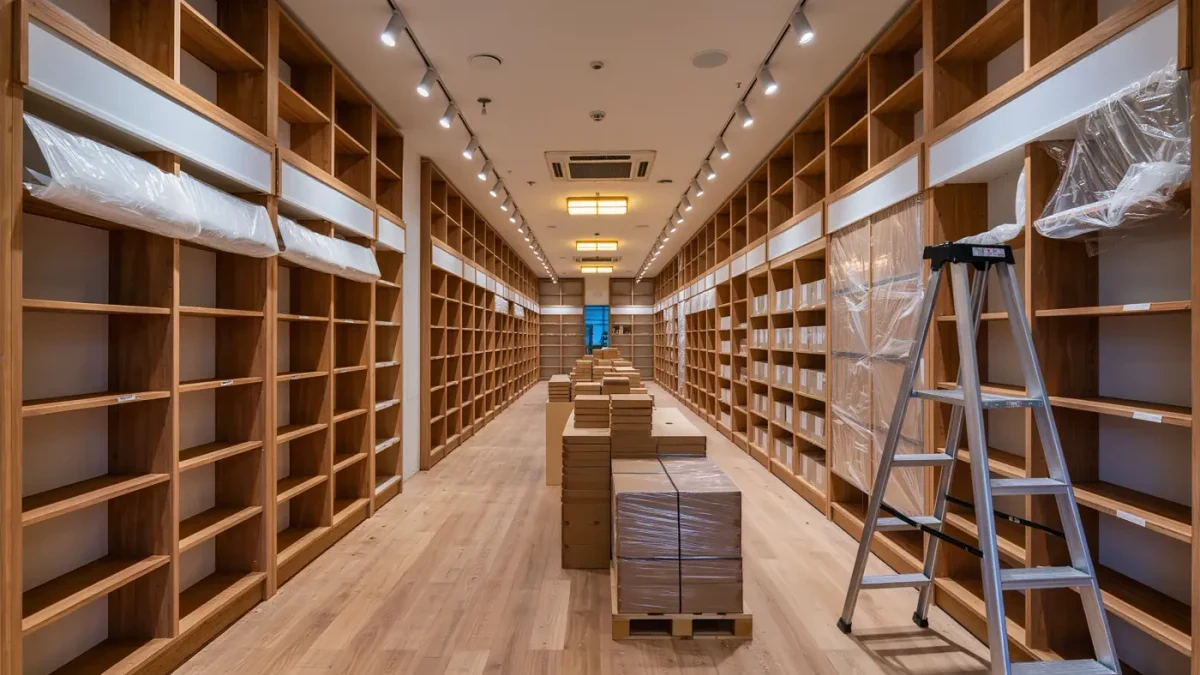
Barnes & Noble is opening 60 new stores across 2026, per the expansion plan the company detailed to USA Today in December 2025, with locations announced in Ohio, Texas, Florida, Illinois, Colorado, and Washington state — and the first openings are already live, including the Hyde Park, Chicago store that NBC Chicago reported was set for February 2026. For an industry that spent the 2010s watching the chain shrink, a 60-store year is the continuation of a genuine reversal: the retailer has been adding locations annually since its turnaround under chief executive James Daunt began after Elliott Management's 2019 acquisition.
Why the expansion matters beyond real estate: physical shelf space is the scarce resource of the trade's economics. The print business runs on placement — front tables, handselling, the browsing serendipity that discovery algorithms have not replicated at the cash register — and every new store is a new set of tables for the lead titles and regional authors who fill them. Trade reporting through the turnaround years has credited the revived chain's local curation model, where store managers order for their own rooms, with measurable help for midlist and debut books that national planograms buried.
The writers' arithmetic is modest but real. Sixty stores translate to sixty backlists stocked in a new market, sixty event calendars to fill, and sixty relationships between local authors and managers who can handsell. The expansion pattern — smaller-format stores in mid-sized markets and city neighborhoods rather than the big-box era's edges — tracks where book deserts were thickest, and the independent sector has simultaneously kept growing, meaning the year's net physical presence is expanding on both flanks.
What to watch for the rest of the year: whether the 60 announced openings hold their pace, and which markets the next tranche names. The company's expansion announcements have been rolling rather than one-shot, and trade coverage follows each list. Daily Pencil publishes information, not market predictions; for store openings near you, the chain's local pages carry the calendars.