Every magazine cover starts as a gamble. An editor bets that one image, frozen on the front of the book, will stop a reader mid-scroll or mid-aisle. The photo essay behind that image is where the bet gets placed: weeks of shooting, editing, and arguing before a single frame earns the prime spot. As Merriam-Webster defines it, a cover is simply the front of a magazine's binding — but the work that fills that small rectangle is anything but simple.
The famous photo essays that reshaped magazines share a pattern. They did not begin with a great single picture. They began with access, patience, and a subject worth returning to. The photographer shot far more than the magazine could ever print. The editor cut, sequenced, and cut again. What survived was a story told in pictures that no single frame could carry alone.
This piece looks behind the front of the book: how these projects get commissioned, what the shoot actually demands, and where the risks — physical, ethical, editorial — sit. If you write about images, or commission them, the mechanics matter. They decide what readers see and what stays in the contact sheet. Readers following this should also see How the National Book Awards Longlists Actually Get Made.
What makes a photo essay different from a photo story?
A photo essay is a sequence of images arranged to build an argument. Each picture adds something the previous one could not say. The order is an editorial decision, not a chronological default. A photographer might shoot a story over months, but the essay's meaning gets made at the light table, when someone decides which image opens, which one turns, and which one closes. This connects to our earlier piece, How a Book Advance Actually Gets Paid Out.
That sequencing work is the quiet craft. A strong opening image sets a question. The middle frames complicate it. The last image should feel earned, not decorative. When the sequence works, a reader moves through it the way they move through a well-edited piece of writing — and when it fails, no single great photograph can rescue it.
How does a landmark essay actually get commissioned?
It usually starts smaller than readers imagine. An editor assigns a story with a hunch, not a guarantee. The photographer pitches access to a subject — a community, a workplace, a subculture — and the magazine commits space before anyone knows what the pictures will look like. That commitment is the real risk on the editorial side. Pages are finite. A story that returns thin leaves a hole in the book.
The photographers behind the most durable essays tend to share two habits. They stay longer than the assignment requires, and they shoot subjects they can return to. A one-day shoot produces pictures. A repeated visit produces a relationship, and a relationship produces frames no stranger could get. Access, not equipment, is the scarcest resource in this kind of work.
What does the shoot demand of the photographer?
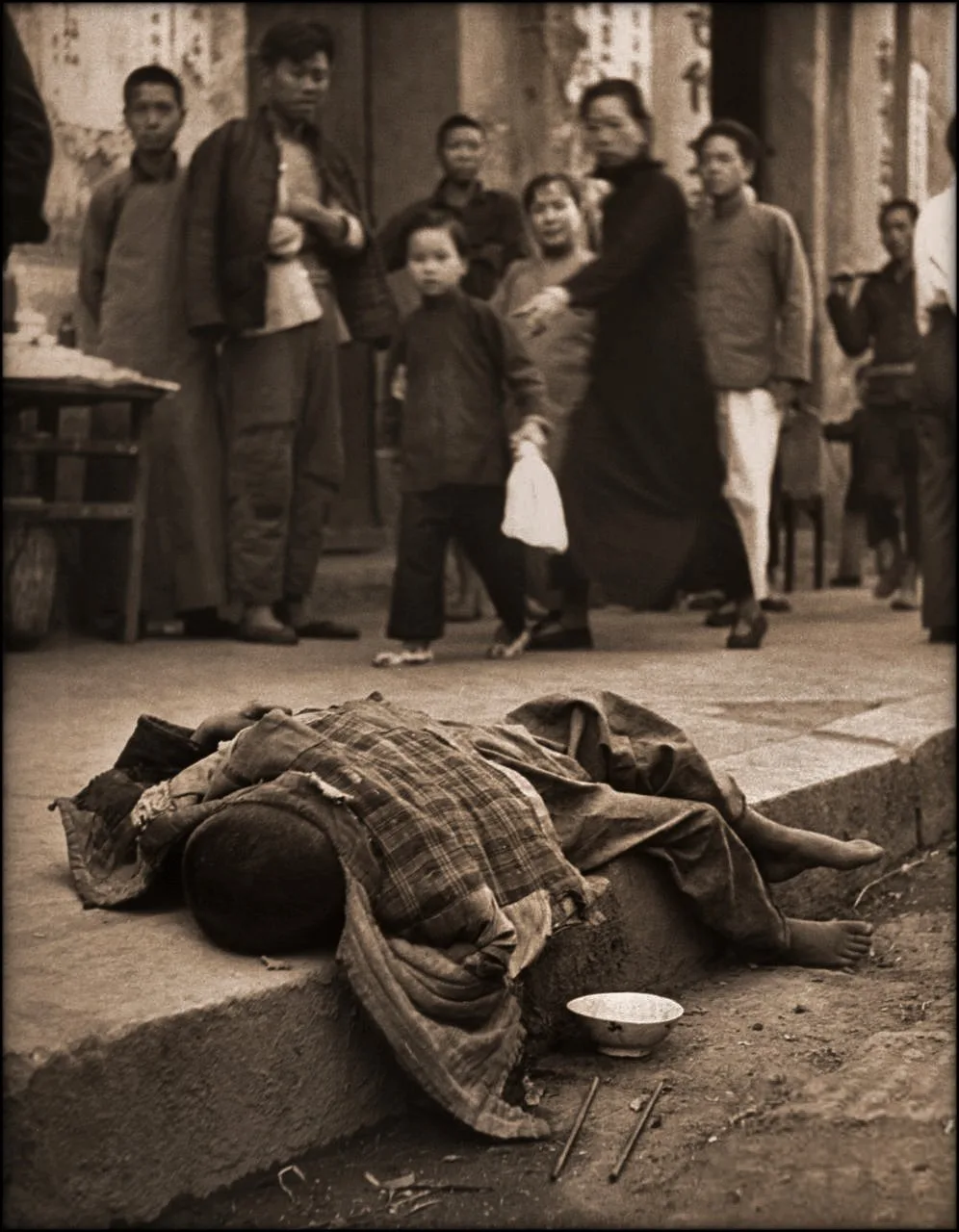
More than technical skill. The job asks for stamina, social judgment, and the nerve to keep shooting when the situation turns uncomfortable. Documentary assignments can place a photographer in hospitals, conflict zones, disaster areas, or private grief. The camera is a passport into rooms most people never enter — and a burden once inside, because the photographer has to decide, frame by frame, what deserves to be recorded.
Physical risk is real but not the whole story. The harder risk is ethical. Does the subject understand how the image will be used? Does an unflattering frame tell the truth or exploit it? Working photographers describe these questions as constant, not occasional. The best-documented practice in the field treats consent as an ongoing conversation, not a signature on a release form.
What happens in the edit — and why does it decide everything?
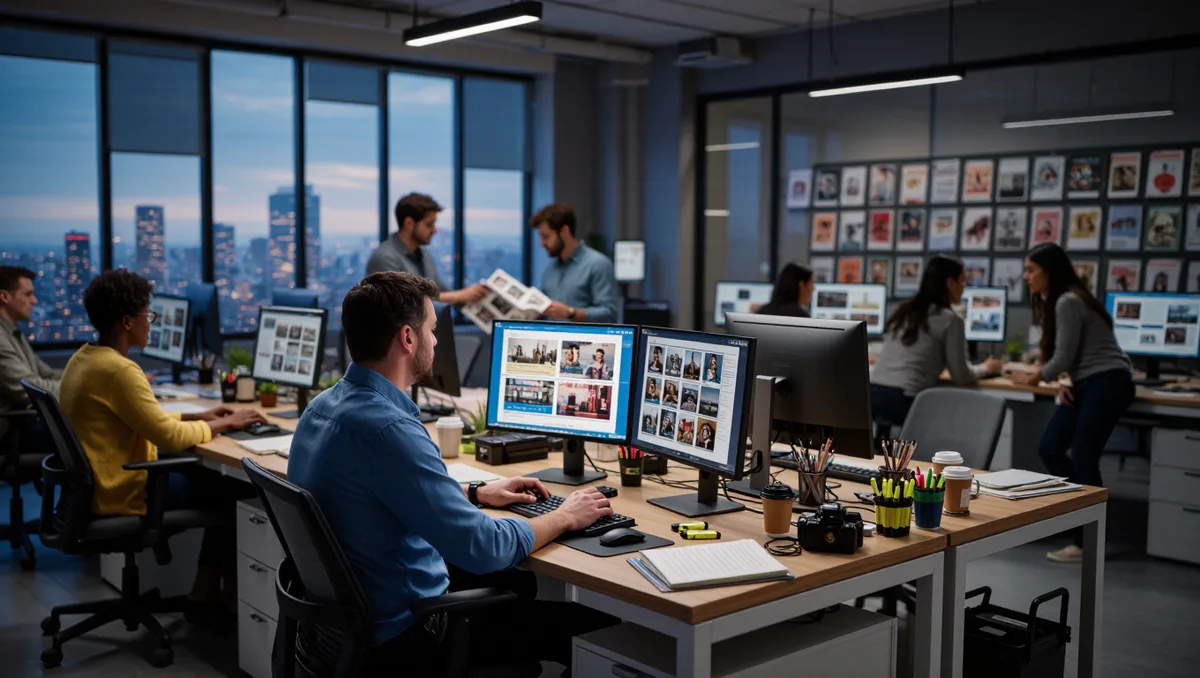
The edit is where a magazine earns or loses its cover. Hundreds or thousands of frames get narrowed to a dozen, then to a spread, then to one. Editors argue about sequence the way text editors argue about structure: what leads, what follows, what the reader takes away. The cover image is rarely the photographer's favorite. It is the frame that works hardest at a glance — legible at small size, emotionally direct, honest to the story behind it.
Our analysis of how these projects succeed comes down to a division of labor. The photographer controls access and framing. The editor controls context and sequence. Neither can do the other's job, and the essays that changed magazines are the ones where both sides pushed back hard enough to make the work better. When one side wins too easily, the piece flattens.
What can writers learn from how photo essays are built?
The parallels are direct. A writer drafting a long feature faces the same problem: too much material, one sequence, and a reader's limited patience. The photo essay's discipline — shoot wide, cut ruthless, sequence with intent — maps onto revision almost frame for frame. If you think about how many drafts a piece really needs, the edit table is where that question gets answered, in pictures or in prose.
There is also a lesson in how photographers handle risk. They accept that most of the work will never be seen. The published essay is the visible fraction of a much larger body of labor. Writers who resent cutting their own pages can take the same view: the cut material was not wasted. It bought the frames that survived.
What this means for the next cover story
The mechanics have not changed as much as the formats have. Magazines publish on screens now, and a photo essay can scroll instead of turn — but access, sequencing, and honest editing still decide whether a sequence of images holds a reader. The next cover that stops you will have cost someone months of work you will never see, and an argument in an edit room you will never hear. That is the deal behind every famous photo essay: a small front-of-book rectangle carrying a very large amount of unseen labor.