The Brontë Parsonage Museum opened "The Colonial Brontës" on 4 February 2026, an exhibition running through 1 January 2027 that sets the sisters' early writing against the age of exploration and conquest it grew from, per the museum's announcement. The show's premise is the part that should stop a working writer: the young Brontës fictionalized real colonial battles, British explorers, missionaries, and Asante warriors in their miniature magazines — the childhood world-building now read as inseparable from the empire its news fed the parsonage household.
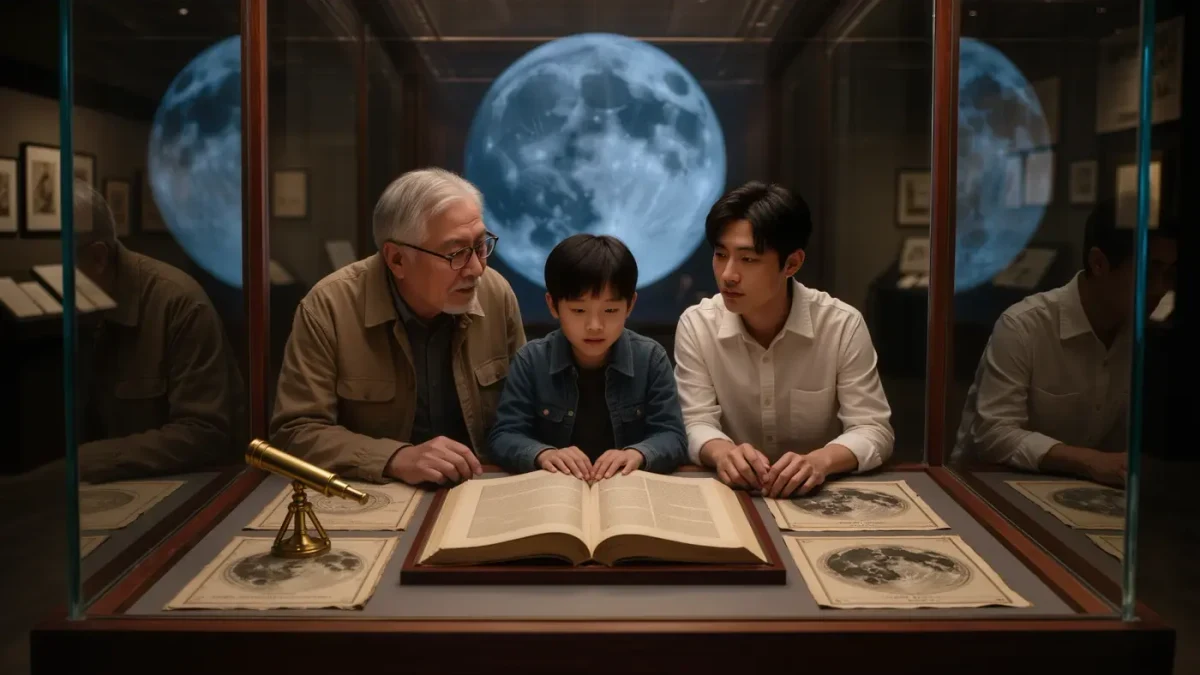
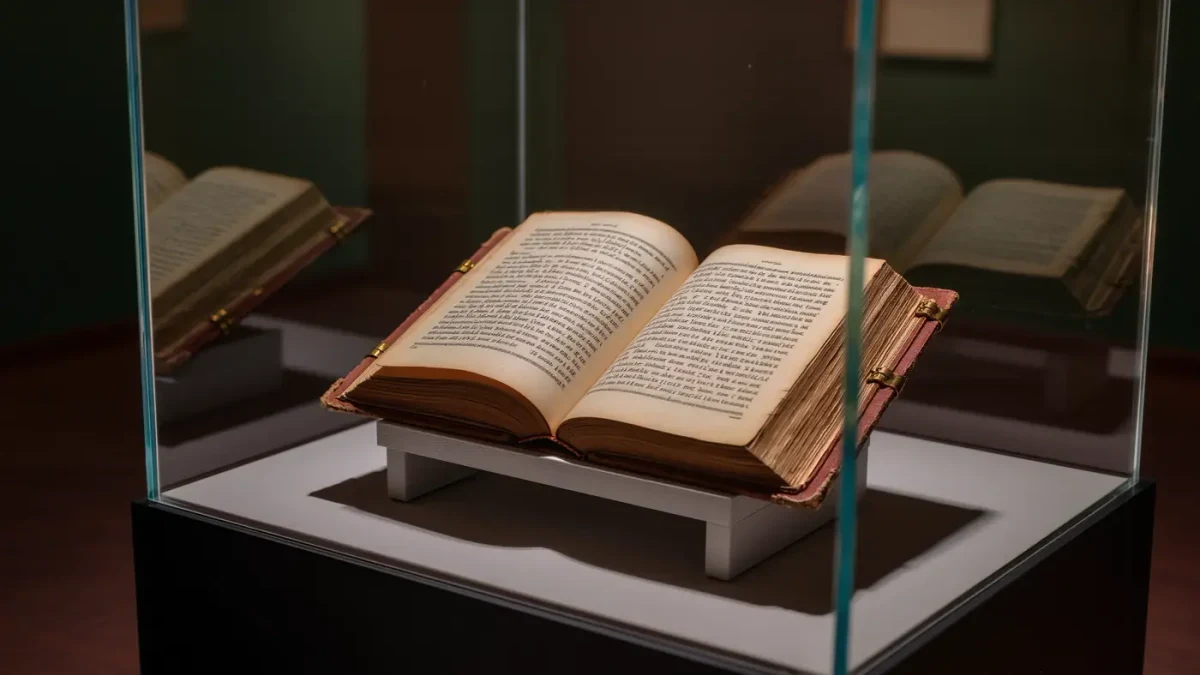
Why it matters beyond Haworth: the exhibition is a public demonstration of how archives get reread. The juvenilia — those tiny, intense booklets the siblings produced in volumes smaller than a hand — have spent their museum life as precocious curios, prologue to Jane Eyre. Mounted instead as evidence of how children metabolized imperial violence into fantasy, the same pages become a different document. The craft lesson is uncomfortable and useful: the stories writers absorb as children surface in the fiction as assumptions, and a museum is now displaying the mechanism.
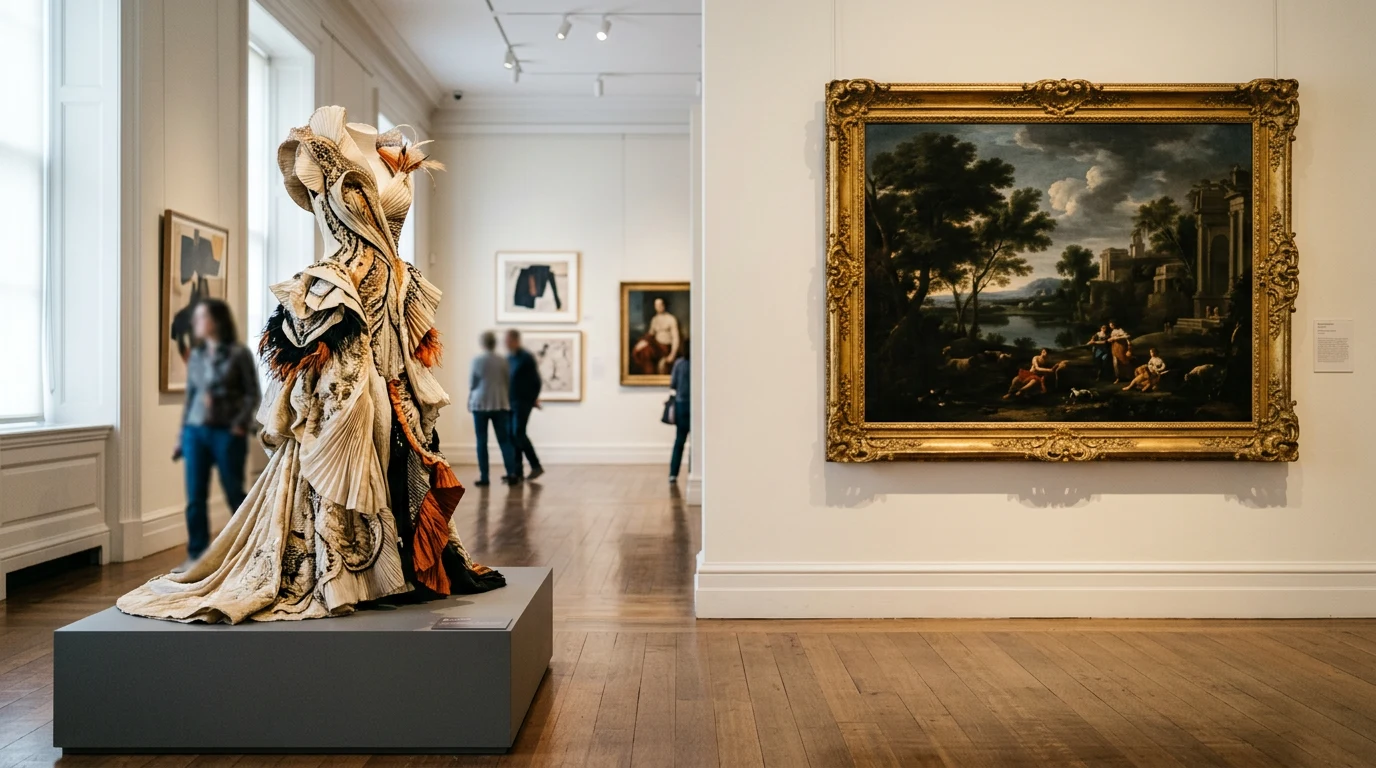
The same season carries a second literary-history show stateside: the Arlington Museum of Art in Texas opened "Dressed for the Drawing Room: Fashion in Jane Austen's England" on 9 January 2026, running to 22 March with free admission, per the city of Arlington's announcement — Regency dress as the material world of Austen's social scenes. And in California, the Huntington's "Stories from the Library: From Brontë to Butler" continues to draw on personal writings and objects to trace women writers' private processes from the early 1800s to the present.
For visitors who write, the parsonage show is the one to travel for: it is rare to see a canon's childhood materials exhibited with an argument this sharp, and the museum's rotation practices mean the juvenilia displays are time-limited. Daily Pencil publishes information, not endorsements; check the museums' sites for hours and tickets.