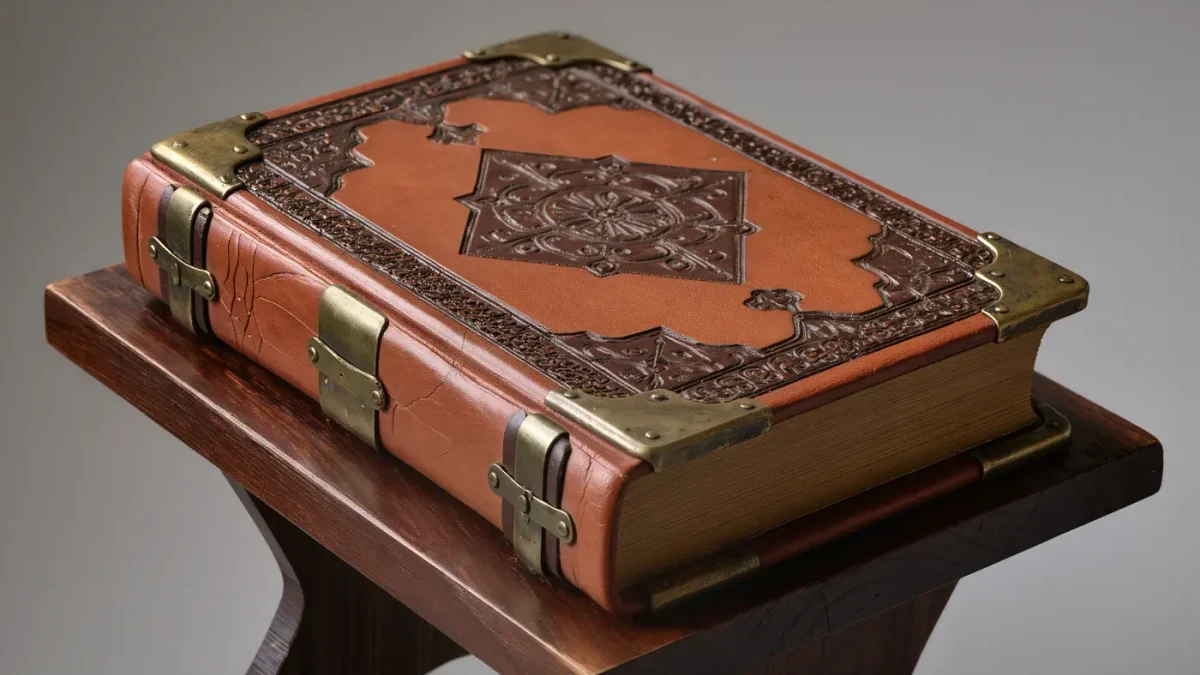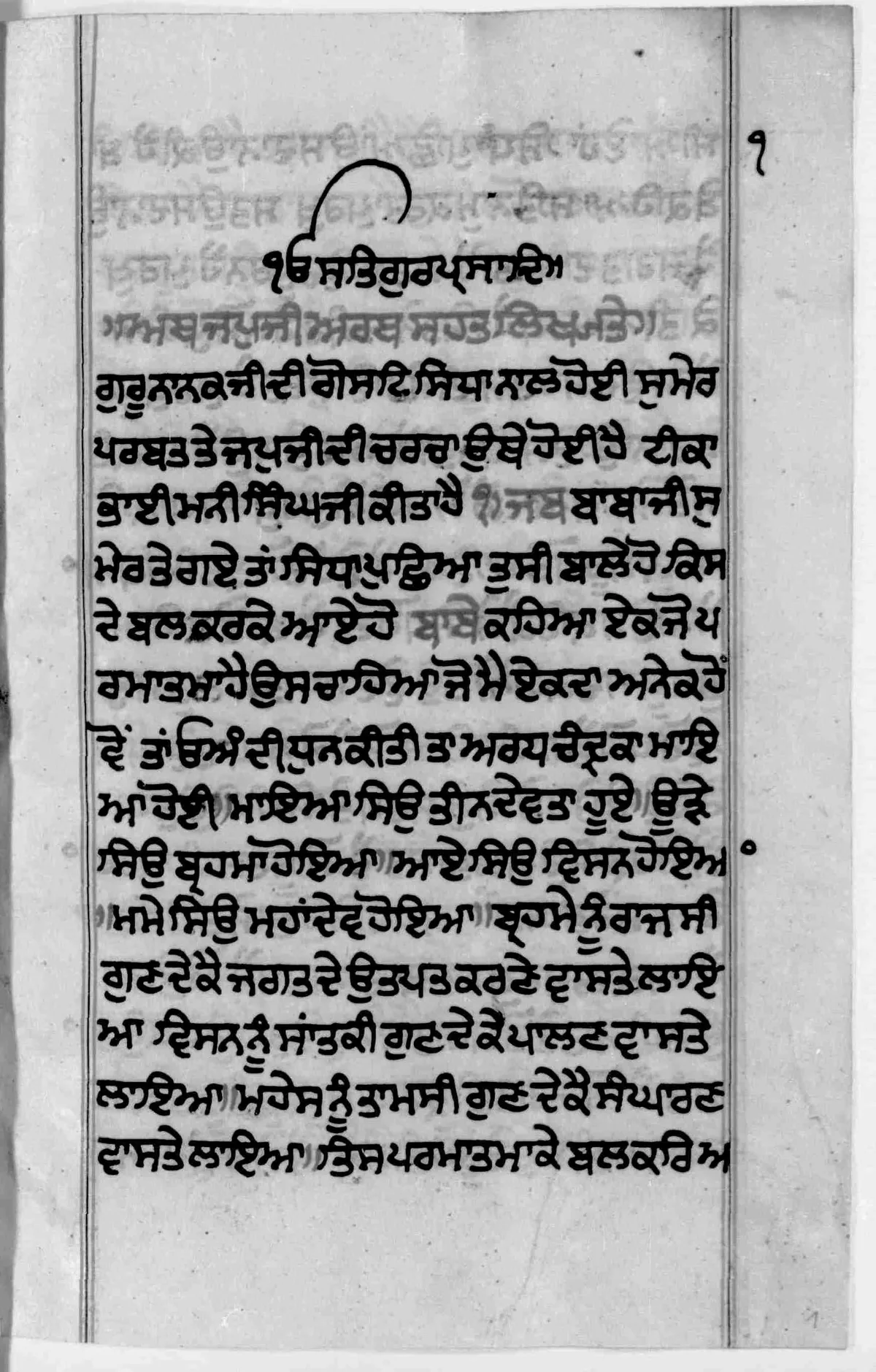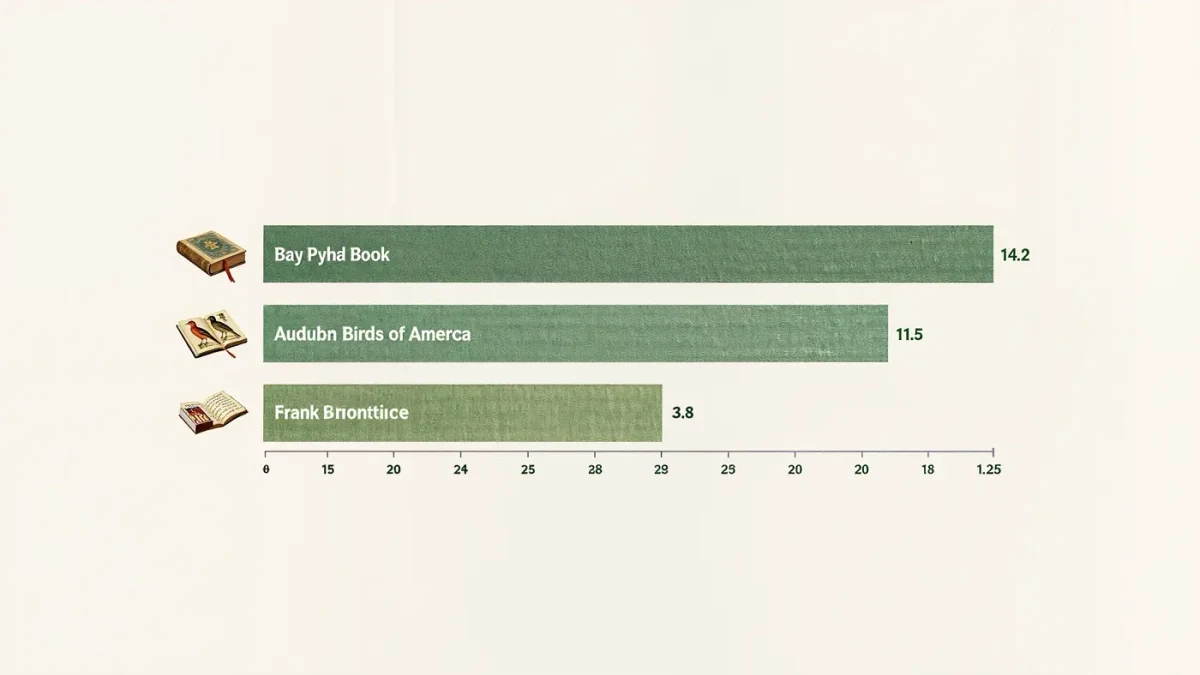
The record prices are documented and, in order of absurdity: a copy of the Bay Psalm Book, the first book printed in what became the United States, took $14.2 million at Sotheby's in November 2013 — still the record for any printed book; Audubon's Birds of America made $11.5 million there in December 2010; and in April 2022 a ten-page miniature booklet Charlotte Brontë made at fifteen sold for $1.25 million, roughly a million times the paper's weight in gold. The manuscript market runs on scarcity plus story, and its price ladder — printed books at the top, unique manuscripts close behind, letters beneath — encodes exactly what collectors are paying for. Daily Pencil publishes information, not investment advice.
What drives a paper price?
Four factors, in descending weight. Uniqueness: a holograph draft exists once — Mary Shelley's Frankenstein draft notebooks were acquired for the Bodleian at £3.8 million in 2004 precisely because they are the only witness to the novel's composition. Association: objects that touched the life — the author's own copy, a presentation inscription, the desk the book was written on. Condition and completeness: intact manuscripts and clean copies multiply; the same text trimmed or foxed divides. And provenance: an unbroken ownership chain back toward the author, which is both authentication and romance. The Brontë booklet priced all four at once — a unique holograph, made by the author, tiny and perfect, from the family's papers.
Why do printed books sometimes outsell manuscripts?
Because the market prices cultural firsts, not just handwriting. The Bay Psalm Book is not beautiful — it is famously misprinted — but it is the beginning of English printing in North America, and "first" beats "loveliest" at auction with monotonous regularity. Audubon's giant folio was the most spectacular production of its age, and its double-elephant size means most surviving copies sit in institutions, keeping the tradeable few expensive. The lesson generalizes: category primacy (first book, first edition of a landmark, first printing of a monument) sets the ceiling; the author's hand sets the intimacy premium beneath it.
How do the houses actually sell this material?
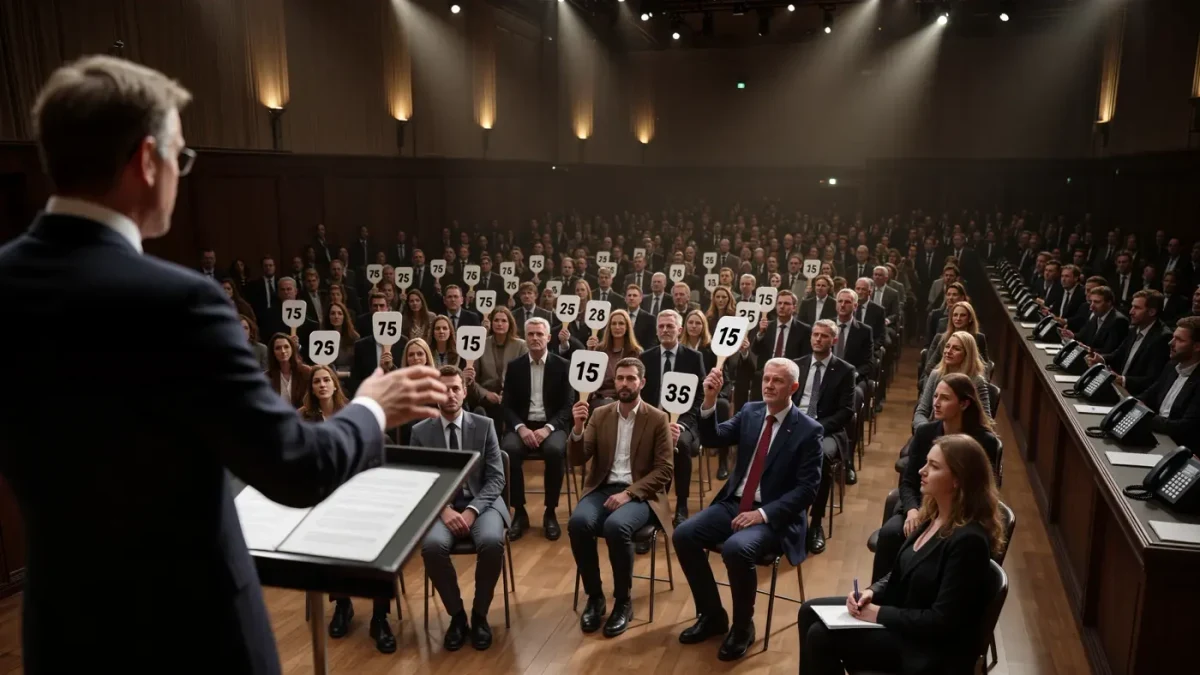
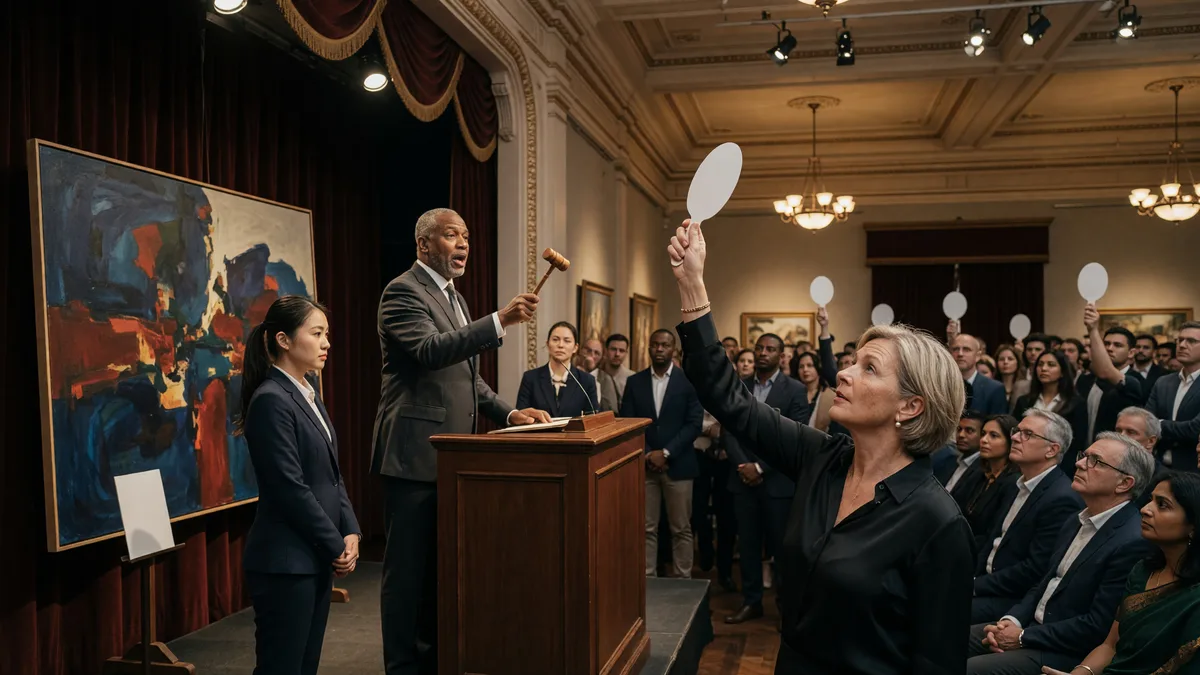
Through dedicated books-and-manuscripts departments with their own calendars — New York and London hold the major weeks, and the fairs and exhibitions that precede them function as the market's shop windows. Estimates are set low deliberately, a documented auction practice that converts a sale into a story when lots multiply their high estimate; results are reported the same evening and become the market data collectors and institutions both read. For the underbidders — very often libraries — the after-sale is where material actually settles: institutions negotiate private sales for what they could not win in the room, which is how much of the paper heritage ends up public rather than private.
Where does the money come from?
A thin, international collector layer, institution bidding for the crown pieces, and — the market's documented recent shift — a broader base of newer wealth entering through the same doors as contemporary art. The books market is small relative to painting: its whole annual turnover is a rounding error against the $59.6 billion art market the Art Basel–UBS report measured in its 2026 edition. But its stability is the attraction — the great books do not fall out of fashion the way painters do, and the documented long-run record of the trade is steady appreciation punctuated by trophy spikes.
What does any of this mean for writers?
Two humbling, practical points. First, the market only prices the dead and the canonical — your drafts are worth exactly nothing until posterity says otherwise, which is a healthy corrective to both anxiety and grandiosity. Second, the documented prices are the argument for taking care of the paper: the writers whose archives and notebooks eventually mattered are the ones whose boxes survived moves, floods, and spring cleanings. Keep the drafts, date the notebooks, label the drives. The million-dollar booklet was a teenager's homework; the market's entire back catalog started as work in progress.
Frequently asked questions
What is the most a printed book has ever sold for?
$14.2 million for the Bay Psalm Book at Sotheby's in November 2013 — the first book printed in British North America, bought as a symbol of American printing history rather than for its text.
Are manuscript prices related to art prices?
Loosely — the paper market is far smaller and historically steadier, but the same wealth cycles move both, and the Art Basel–UBS art-market reports have documented the recent arrival of new collector demographics into books alongside contemporary art.
Could a living writer's papers sell like this?
Almost never at trophy levels — the market prices posterity. But living Nobel-tier and canonical writers have placed archives for seven figures, and the sensible move documented across careers is negotiating institutional placement while producing, not waiting for the estate's auction.