Major institutions now pay millions for single authors' archives: the Harry Ransom Center at the University of Texas reported acquiring Norman Mailer's papers for about $2.5 million in 2008, and news coverage of the Bob Dylan archive's 2016 sale to Tulsa's Gilcrease estimated the purchase in the $15–20 million range. For working writers, this is not trivia. It is a second, invisible market — in drafts, notebooks, and correspondence — with its own buyers, prices, and rules.
This survey draws on institutional announcements and published reporting; it is not appraisal or tax advice.
What is a literary archive, commercially?
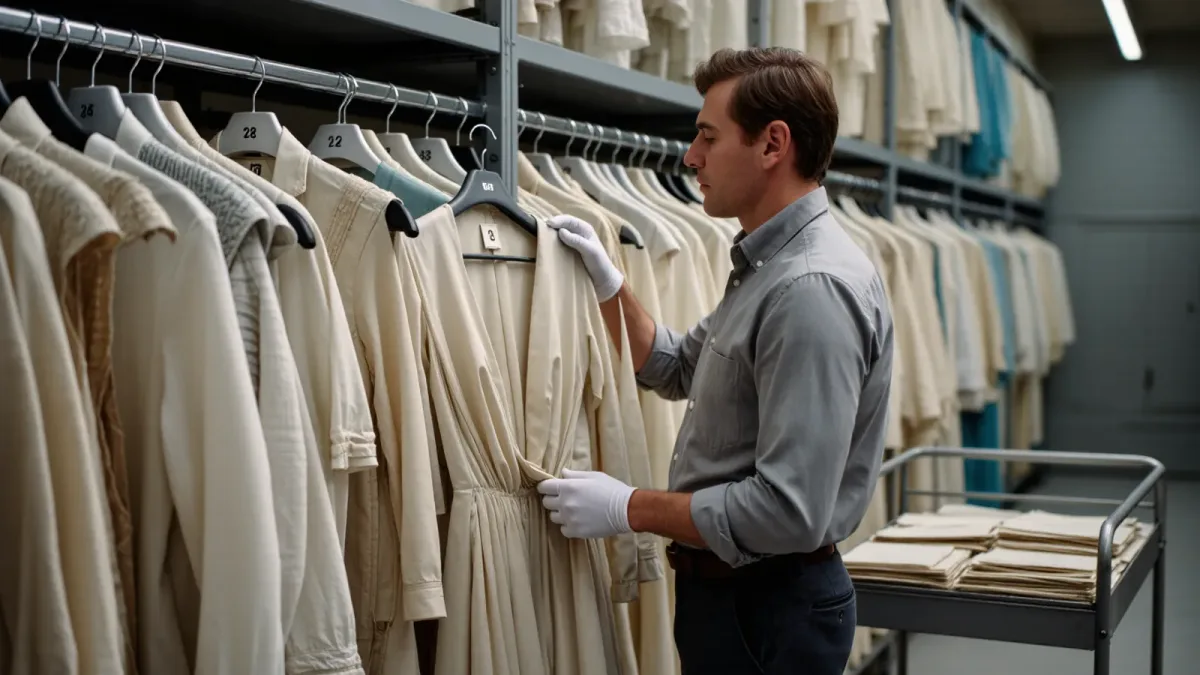
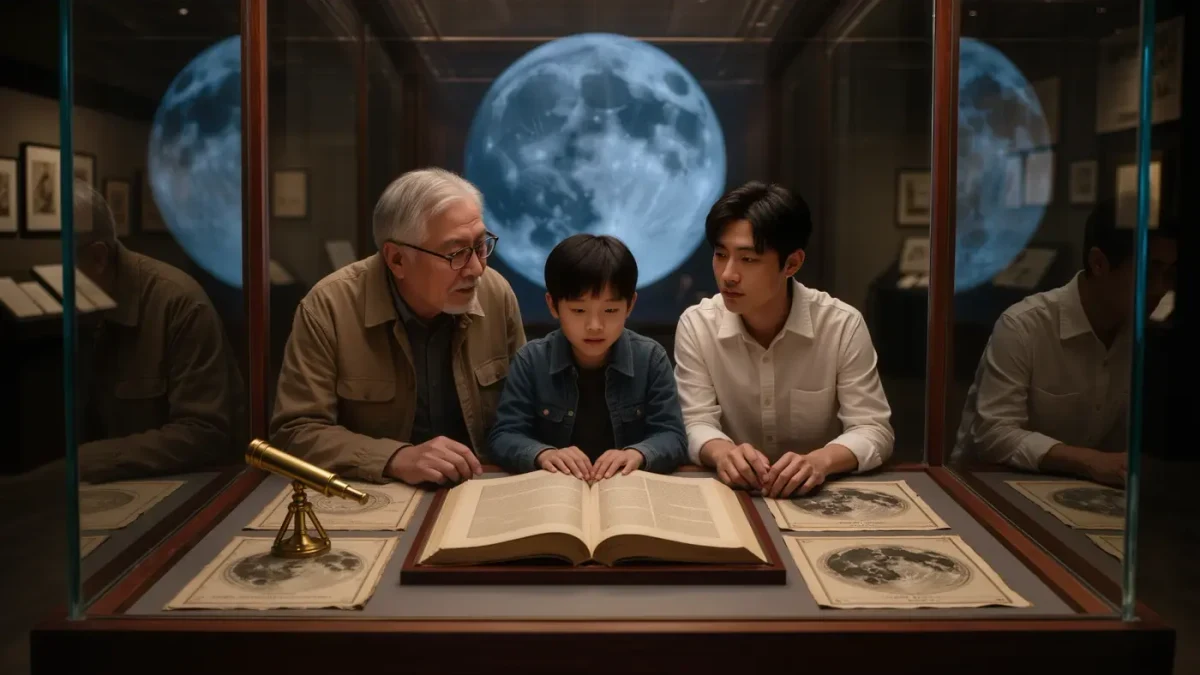
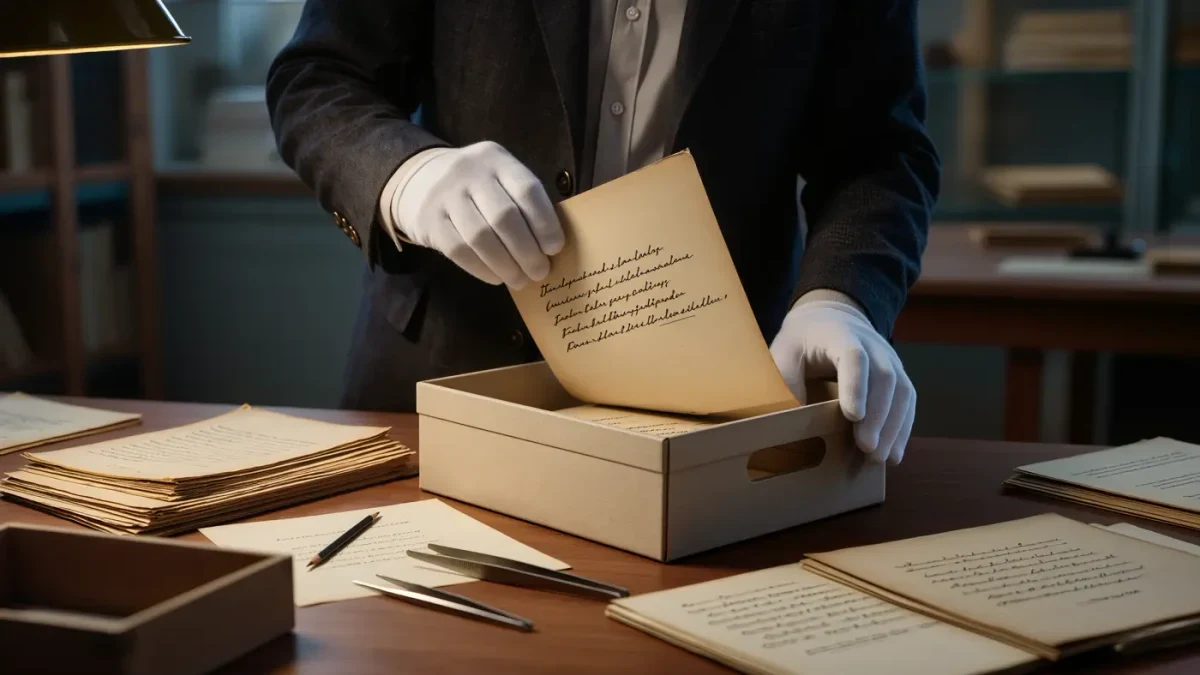
It is everything a writer leaves behind: manuscripts with revisions, notebooks, letters, contracts, even the typewriter. Institutions buy the whole organism because research value lives in the process, not the artifact — scholars reconstruct composition history from crossed-out drafts, and a single corrected typescript can anchor decades of scholarship and exhibitions. The Ransom Center's 2014 acquisition of Gabriel García Márquez's archive, announced with exhibition plans before the papers were even processed, is the model: the archive is bought as a living research program.
Who are the buyers?
A short list of deep-pocketed institutions dominates: the Ransom Center, Yale's Beinecke Library, the British Library, the Huntington, and — since 2016 — the University of Tulsa's McFarlin Library, whose George Kaiser Family Foundation funding reshaped the market by paying art-market prices for modern collections. Competition among these few buyers is one reason top-archive prices rose so sharply from the 1990s onward, as institutional announcements and trade reporting have documented for decades.
What actually sells, and for how much?
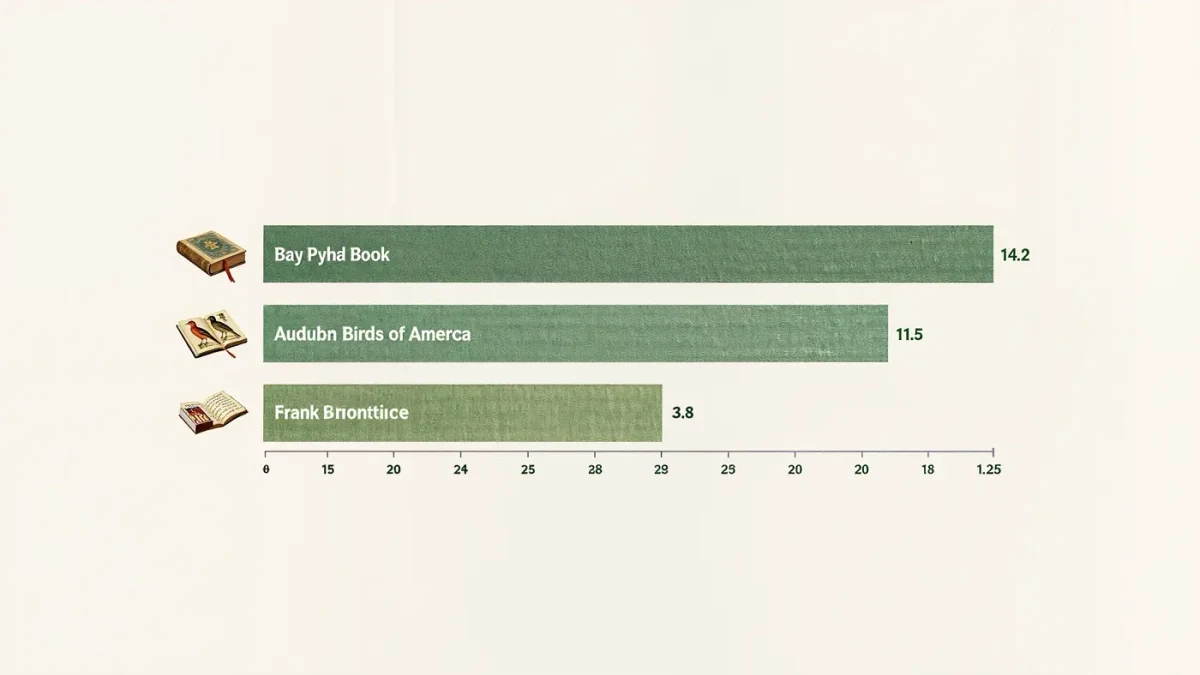
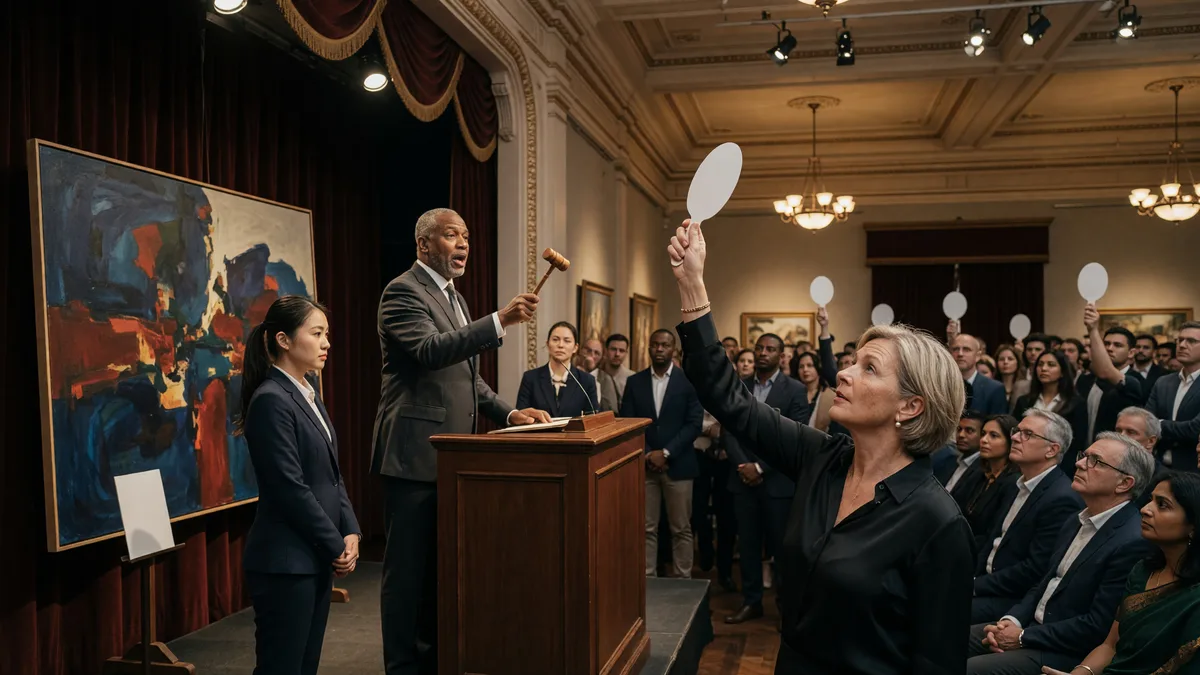
Complete archives of major figures command the headline numbers — the Mailer sale's reported $2.5 million and the Dylan estimate bracket the modern range. Below that tier, prices drop fast: mid-career literary estates have changed hands in the low six figures, and individual manuscripts and letters trade at auction in the hundreds to tens of thousands. The pricing logic mirrors the art market: provenance, completeness, and the subject's standing. A famous novel's working drafts outprice a famous author's grocery lists; a whole life outprices any single piece of it.
Why does any of this matter to a working writer?
Three practical reasons. First, archives are sold or given deliberately — writers who care where their papers land can negotiate placement with an institution during their lifetime, often with tax consequences that need professional advice. Second, papers have a second life as working material: selling or placing an archive usually includes access terms, and writers who want control specify restrictions in the deed. Third, the market has opinions about format — born-digital drafts are now actively collected, and institutions including the Ransom Center and Beinecke publish digital-collection policies explaining how drives and files are accessioned.
Where do the fights break out?
Ownership disputes, usually involving heirs. The best-documented modern case is Franz Kafka's papers: after decades of legal battles over the estate held by Max Brod's secretary's family, Israel's Supreme Court ruled in 2019 that the manuscripts go to the National Library of Israel — a case followed worldwide because it decided the fate of papers Kafka had famously asked to have destroyed. The lesson institutions took, and archivists repeat, is that unclear provenance is the single biggest risk in the market; clean, documented ownership is worth real money.
What can a writer do with papers nobody has asked for?
Organize, and keep the copyright separate. Archivists at collecting institutions consistently advise writers to label files, keep drafts with dates, and resist discarding mess — the mess is the research value. Two structural points matter more than tidiness. First, selling or giving an archive does not transfer copyright: literary rights and physical papers are separate property, and deeds of gift typically address them separately; a writer's heirs keep or license the works regardless of who holds the paper. Second, valuation for taxes or insurance is specialist work — manuscript appraisers exist, and institutions cannot formally appraise what they are buying, so independent advice comes from outside the deal. For writers without famous names, the realistic first calls are university special collections with regional or subject focus, which collect working writers' papers far more often than the headline sales suggest.
How would a writer start a conversation like this?
By asking an institution first, not an auction house. Archives curators at university libraries field placement inquiries directly, and the conversations that end well usually begin while the writer is still producing: institutions value the relationship, and writers value the reading room that will hold their work. The headline sales are for the Nobel tier. But the market beneath them — regional archives, university special collections, the poets and novelists of any serious body of work — is larger, quieter, and open.
Frequently asked questions
Are unpublished manuscripts worth more than published books?
Usually yes, in archival terms. The research value lies in process: drafts, revisions, and correspondence show how the work was made, which is what scholars and exhibitions need. A pristine finished typescript is worth less than the messy path that led to it.
Can a writer sell papers and still control access?
Yes — access and restriction terms are negotiated into the deed of gift or sale. Institutions routinely hold restricted materials for embargo periods, and writers who care about research access or family privacy specify the terms before the papers move.
What about digital files — do archives want those?
Increasingly, yes. Major collecting libraries now accession hard drives, email archives, and drafts in word-processor formats, and publish born-digital collection policies. Writers organizing their files now are, in effect, arranging their own future archive.